STERILE INSECT TECHNIQUE

Advanced Biological Control

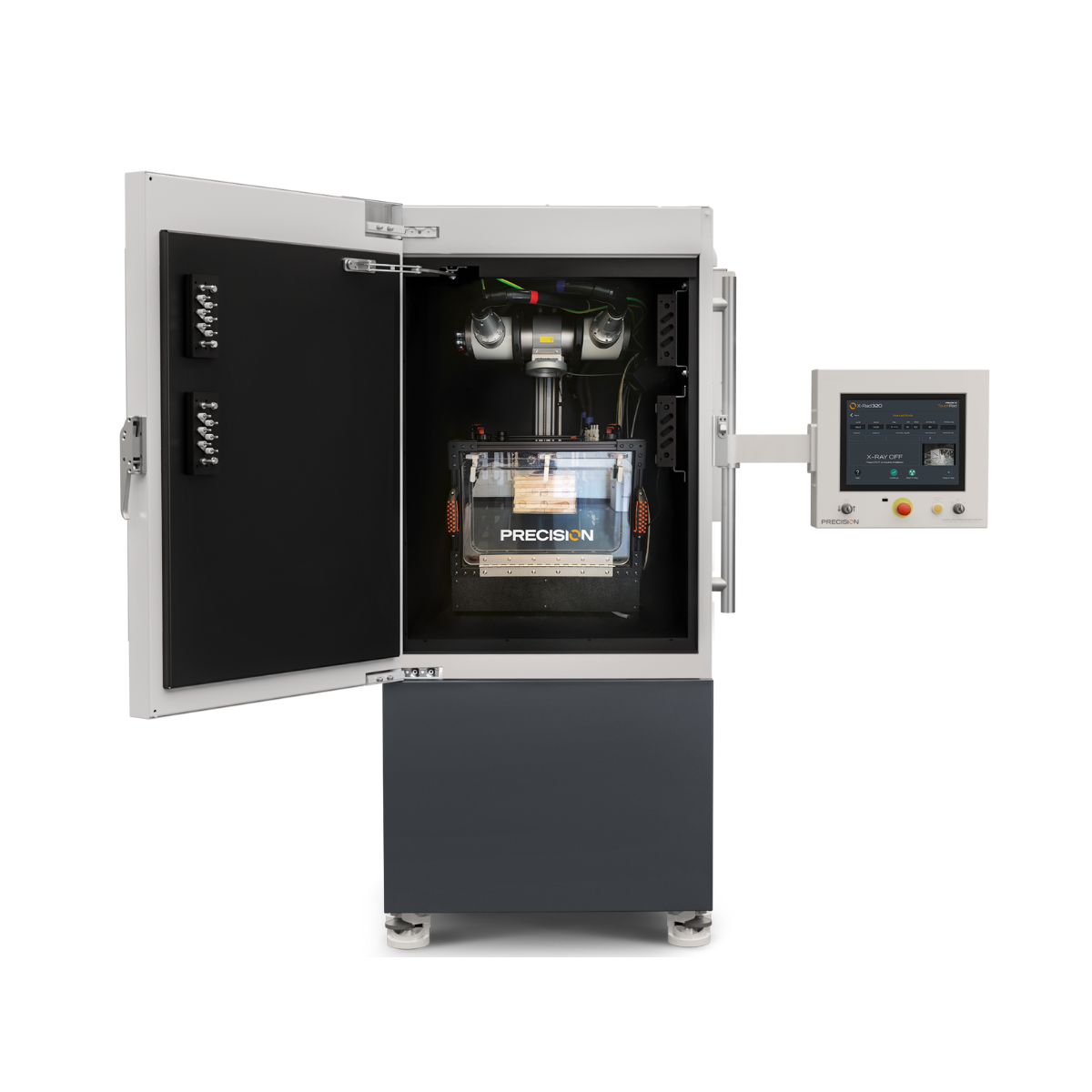
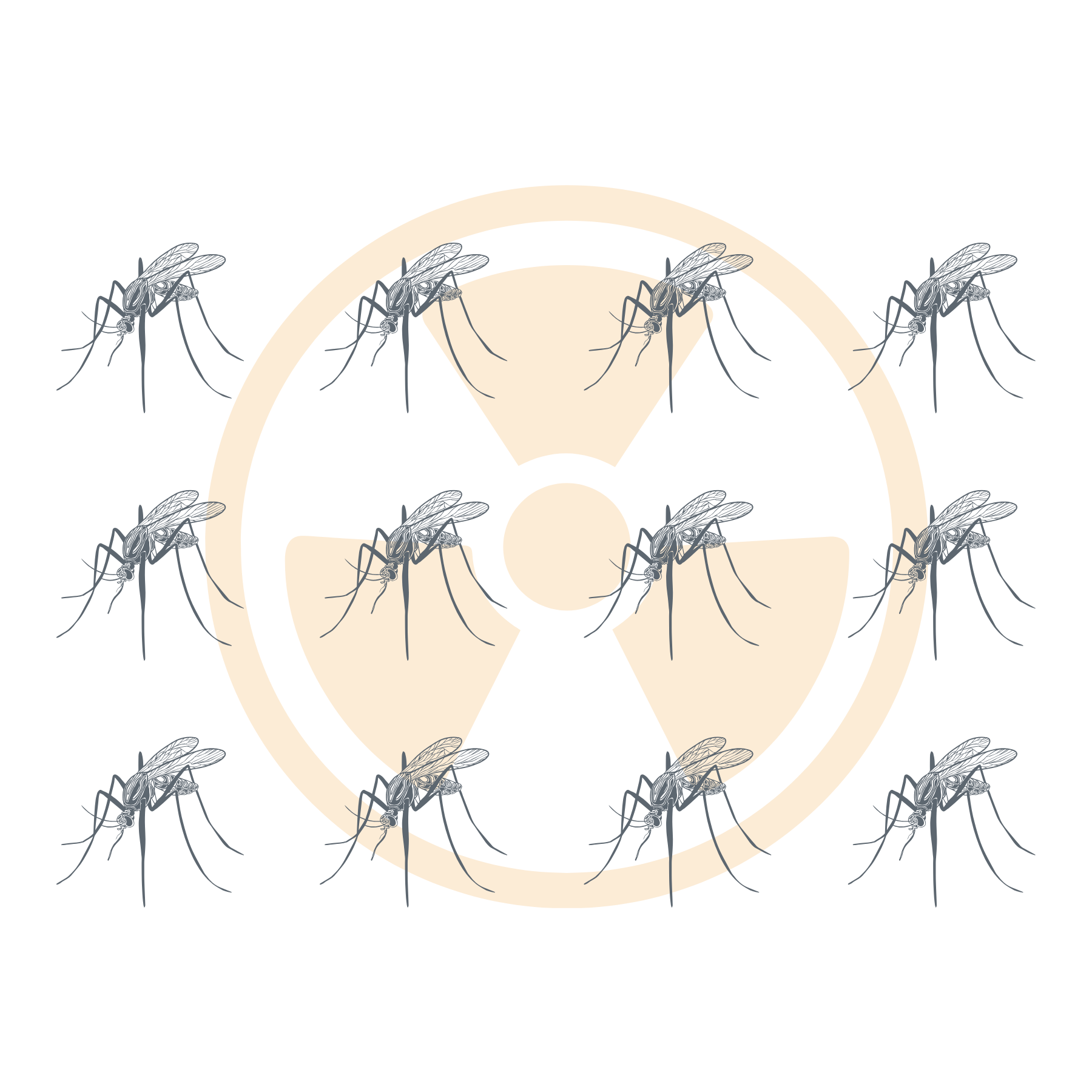
Effectively reduce and manage insect populations with a sustainable, environmentally friendly vector control solution. Leveraging precise X-ray irradiation, insects can be mass sterilized without relying on genetic modification, chemical insecticides, or other potentially harmful substances. This method supports large-scale biological control programs while prioritizing safety and environmental responsibility.

Key Advantages

Uniform Dose Delivery

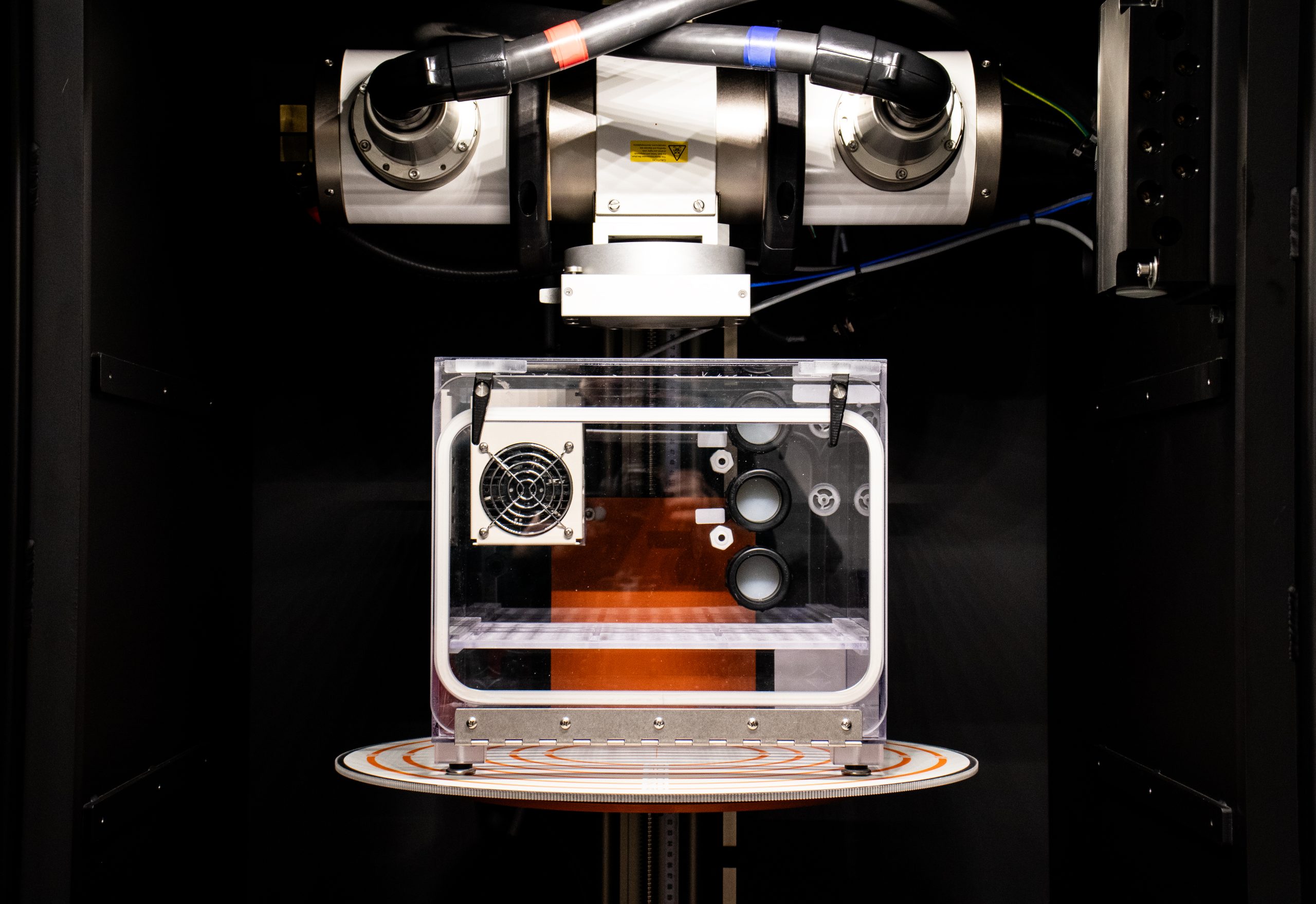
Rotating insect holder ensures
consistent and precise irradiation of all insects, maximizing effectiveness.

User-Friendly Interface

The intuitive touch screen requires no specialized training, making operation simple, fast, and efficient for all users

Controlled Environmental Chamber

Integrated ports for injection of environmental gases, optimal conditions for insect health / viability.

Repeatable High Throughput

Irradiate up to 40 million insects per week single shift (dependent on cycle).

Temperature Regulation

Built-in temperature control safeguards insect viability, ensuring high-quality outcomes for mass sterilization.

Flexibility

Expansive options for any insect need, including adult, pupae, and a variety of insect holders.

Reliable

Permanently cavuum sealed X-ray tube capable of highly reliable 24/7 operation.

Safe

Fully sealed X-Ray system meets US FDA and EU regulatory requirements for radiation safety.

SIT has been used successfully since 1950 to control insect populations like:

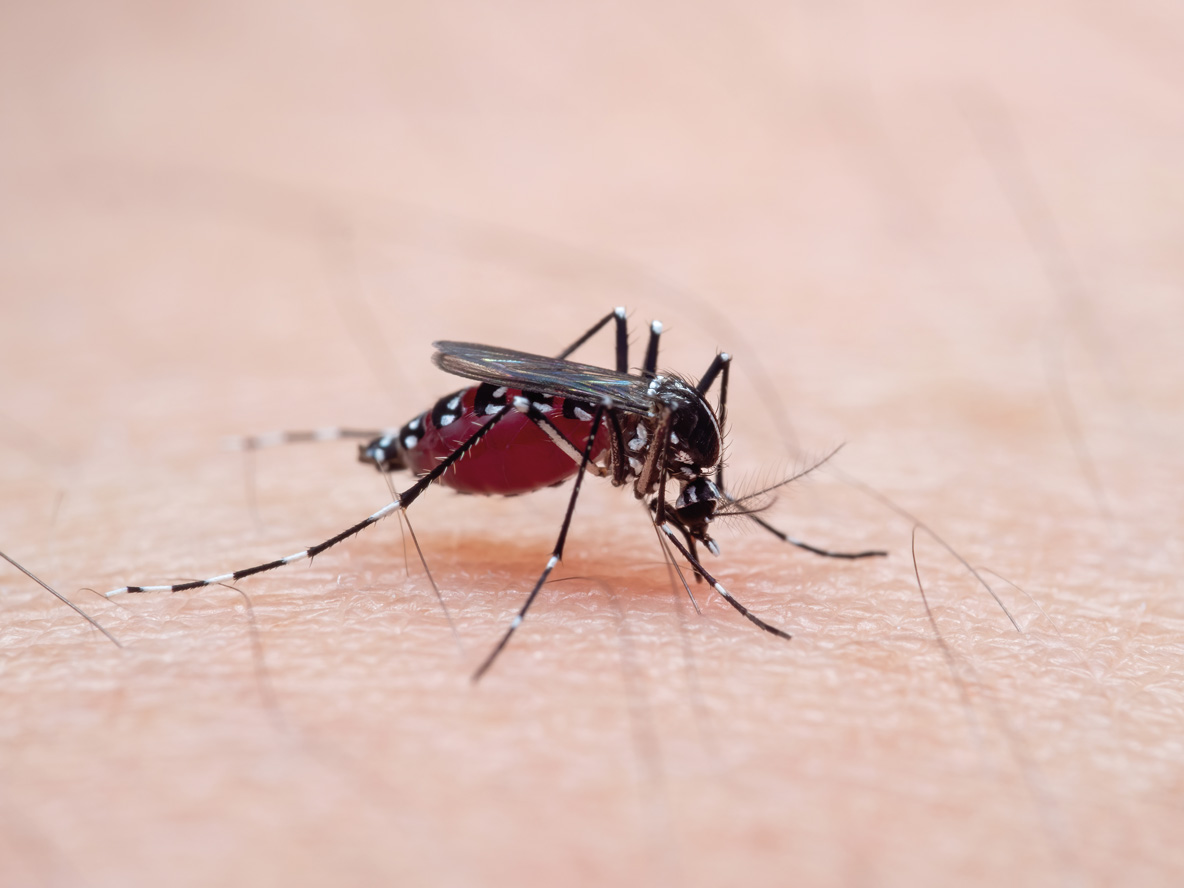
Aedes Aegypti

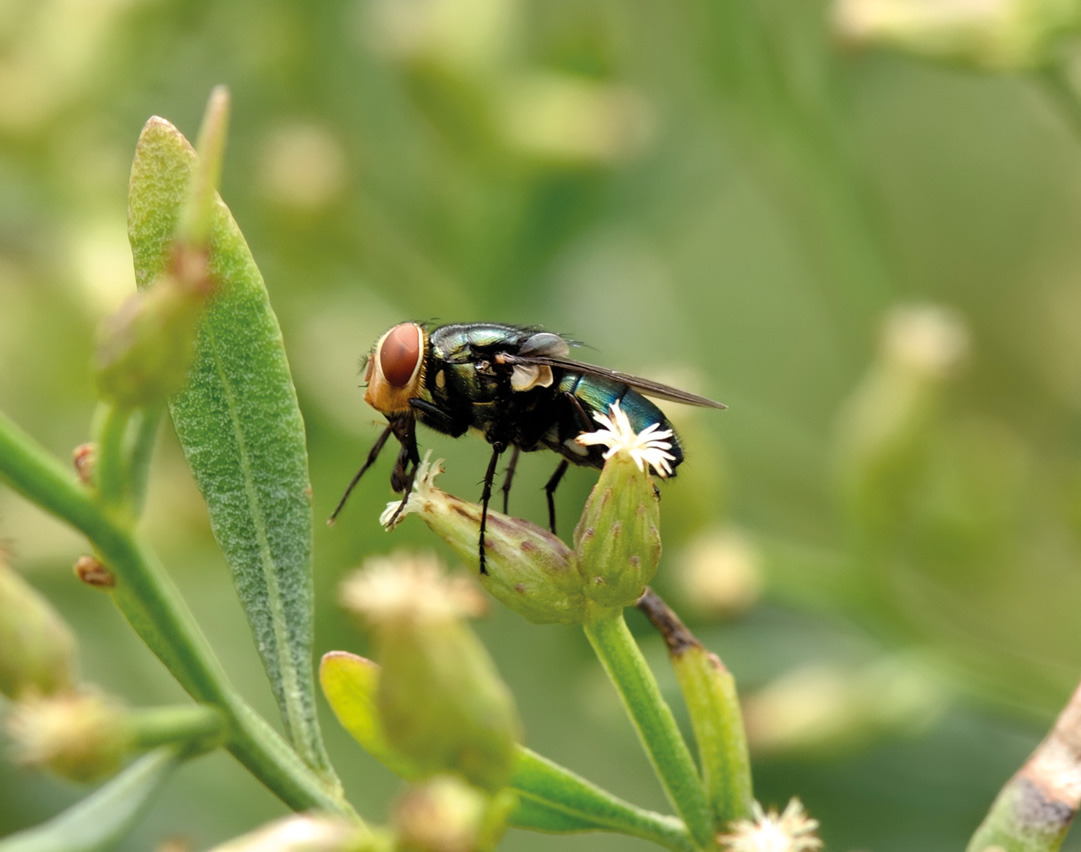
Screwworm Fly

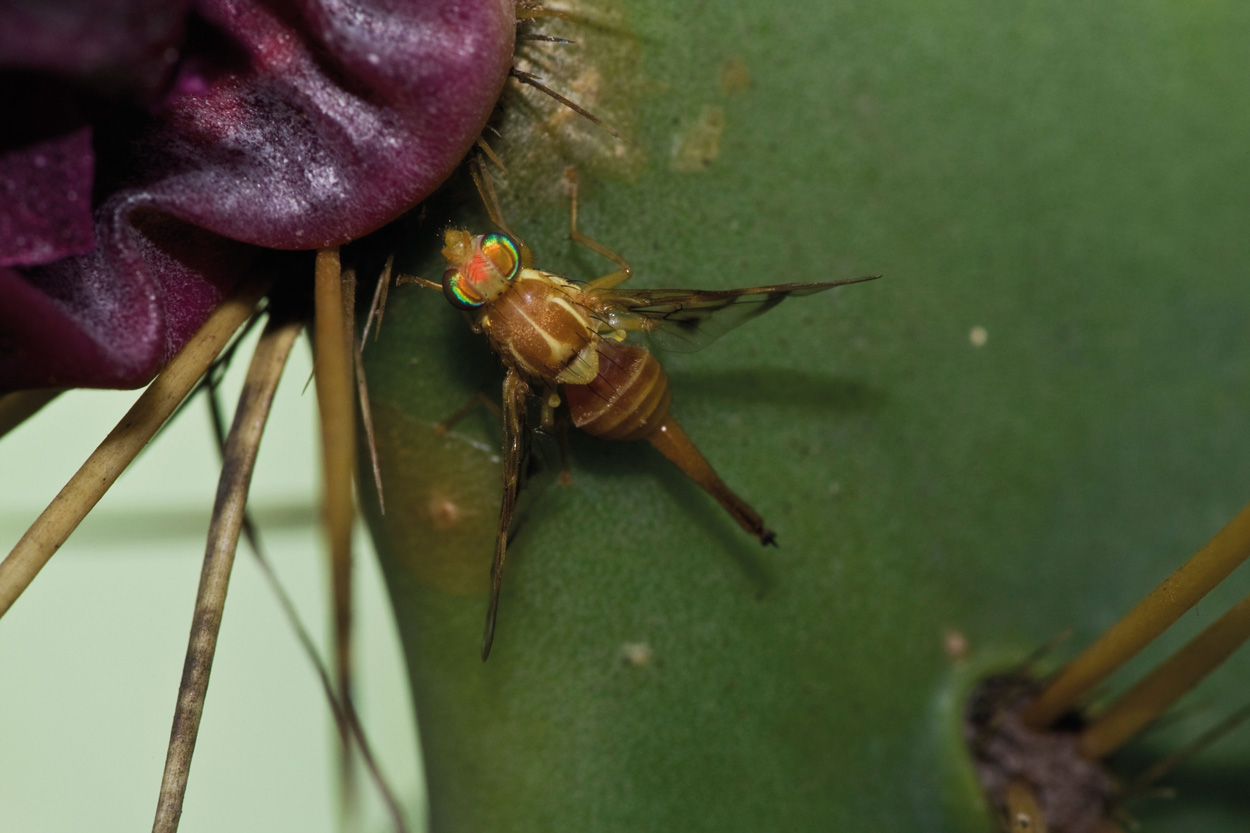
Mexican Fruit Fly

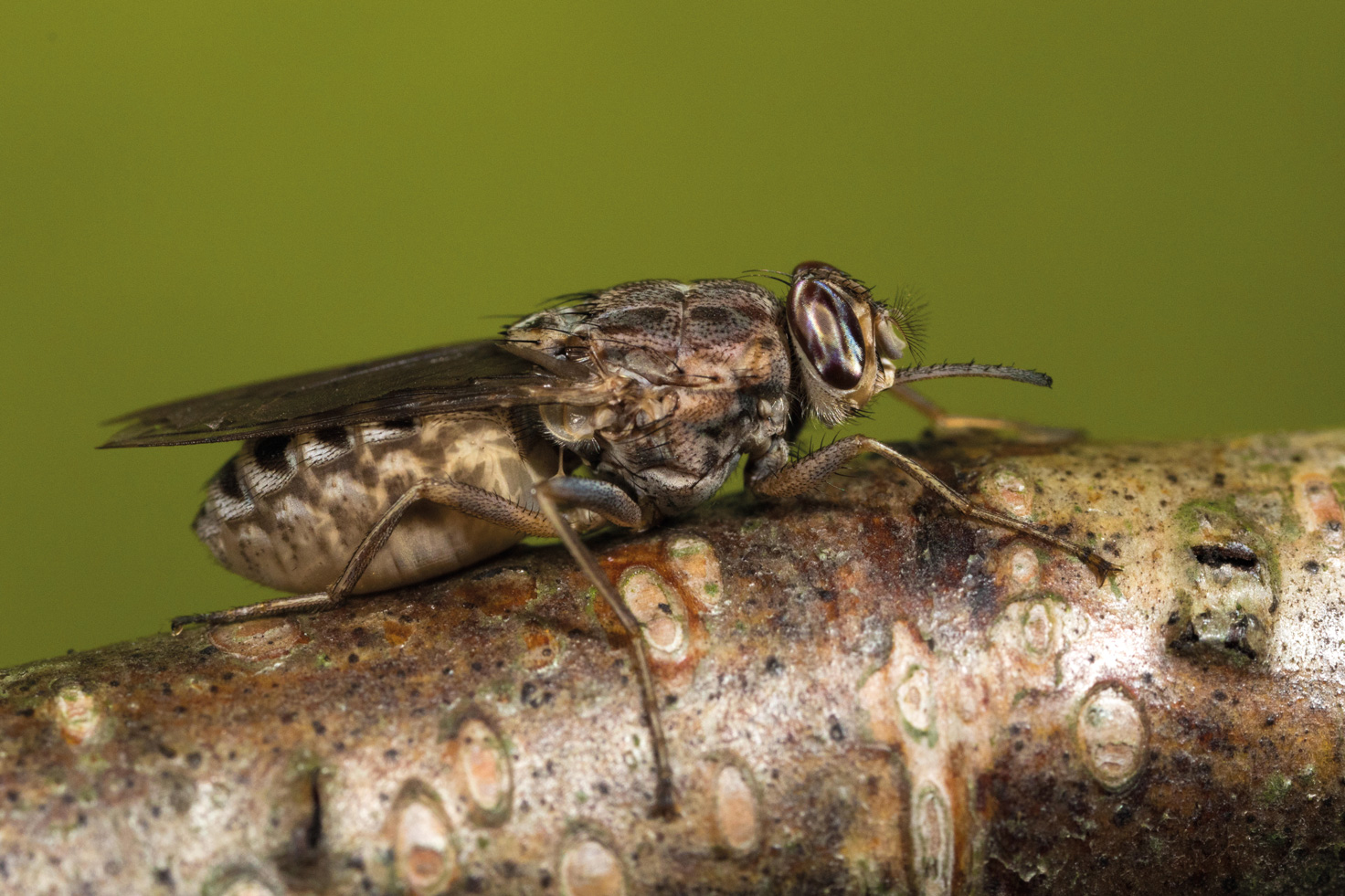
Tsetse Fly

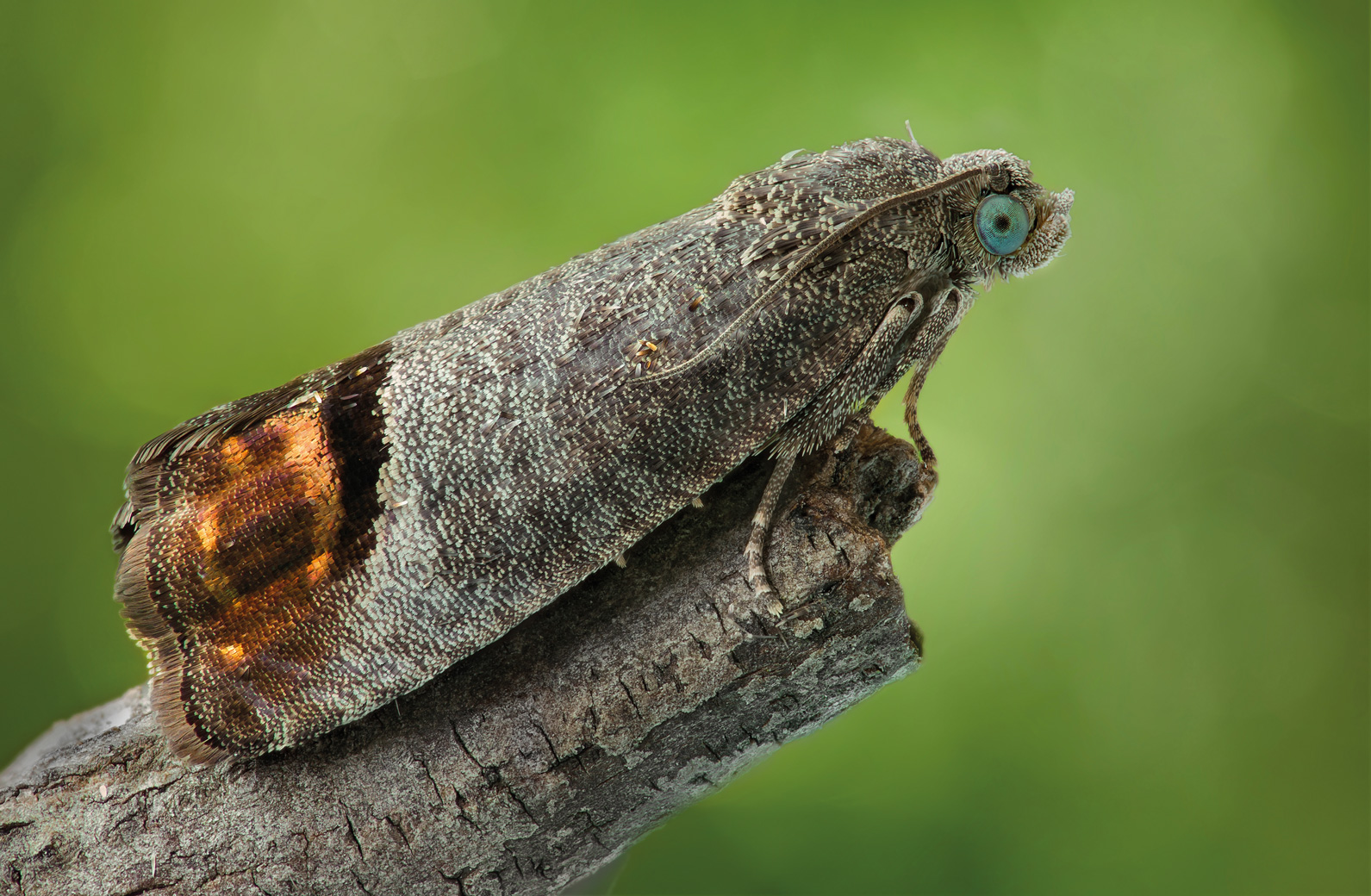
Codling Moth

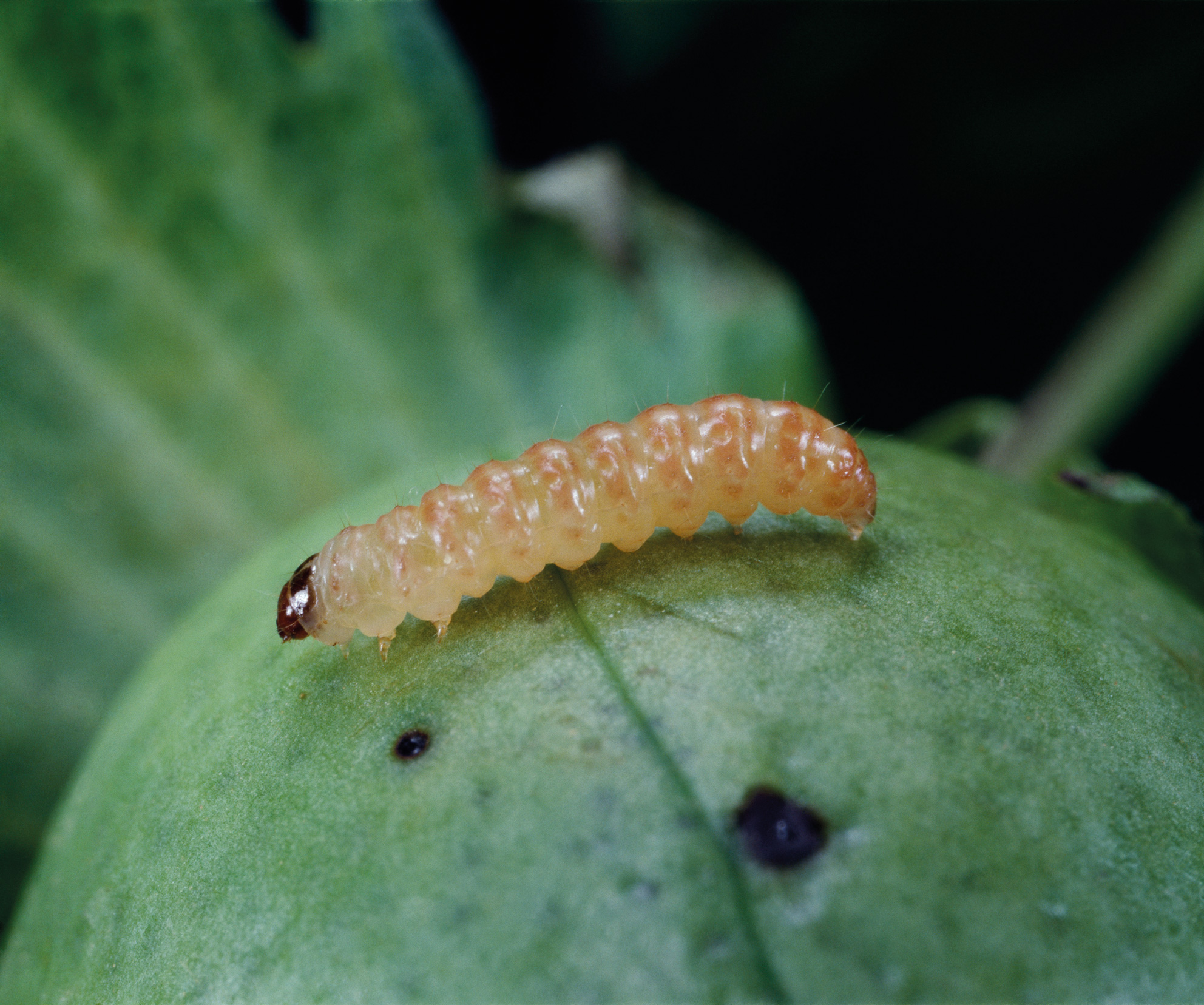
Pink Bollworm

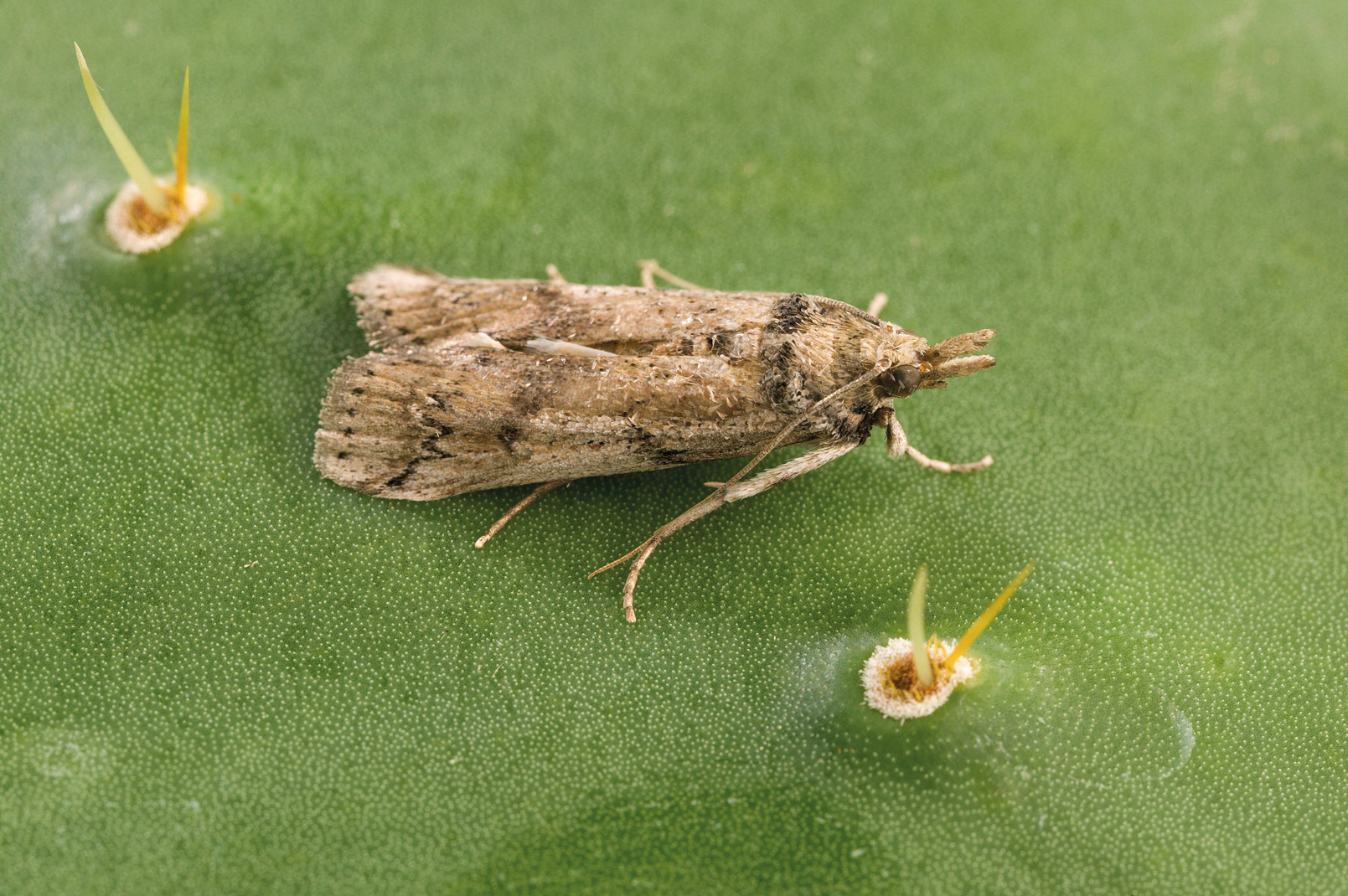
Cactus Moth

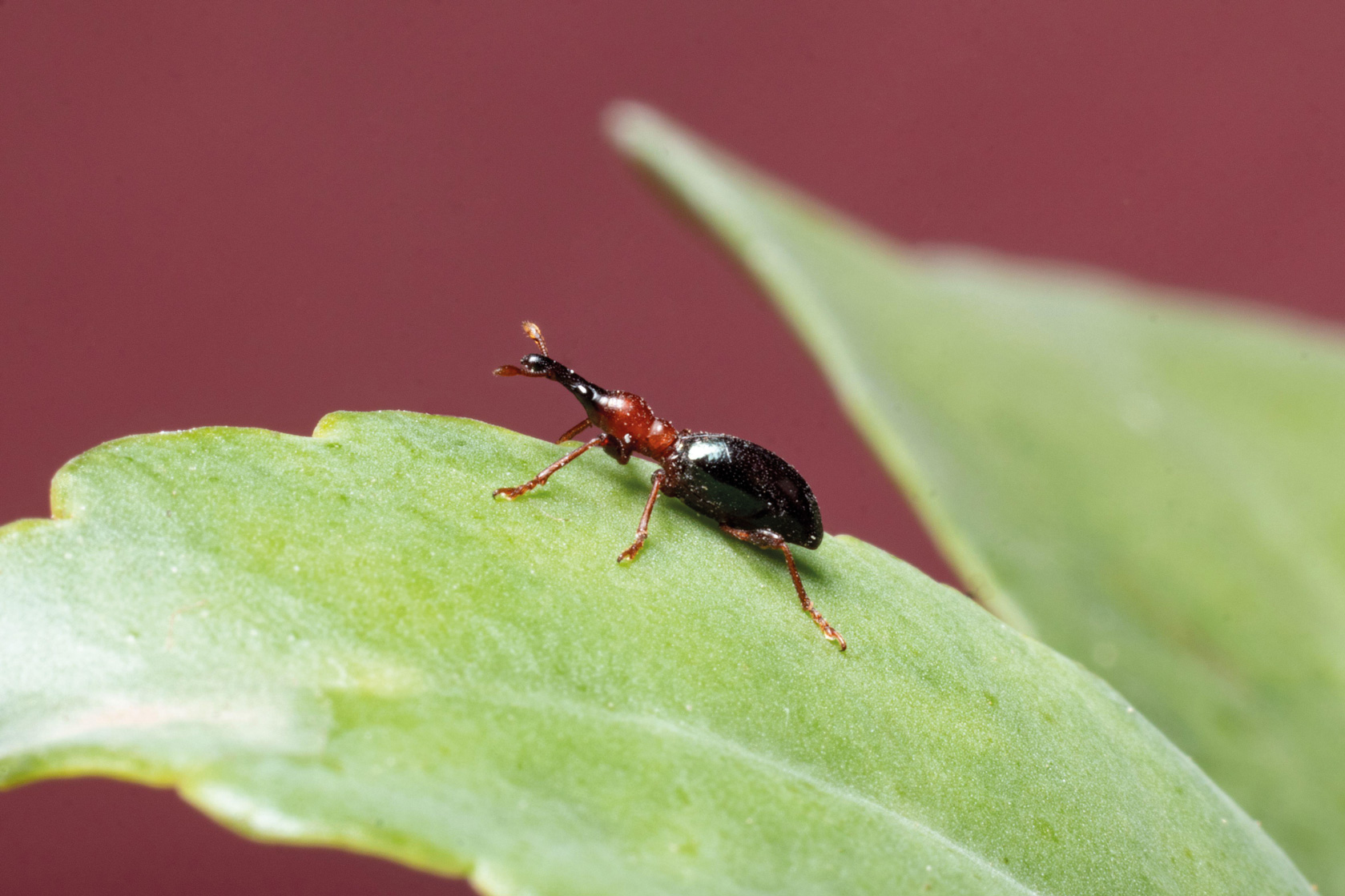
Sweet Potato Weevil

How does it work?

STEP 1:

Mass rearing of insects takes place within specialized facilities.

Male and female insects are identified and seperated.

STEP 2:

Male, adult insects are cooled, to the point of sedation, and placed inside a controlled container.

Sterilization is achieved through the use of x-ray.

STEP 3:

The sterilized males are then released into the wild where they mate with females

STEP 4:

The females lay eggs that result in non-viable offspring.

Over 20 Years

in X-ray technology

OVER 1,800

system installations globally

DEDICATED

service & support