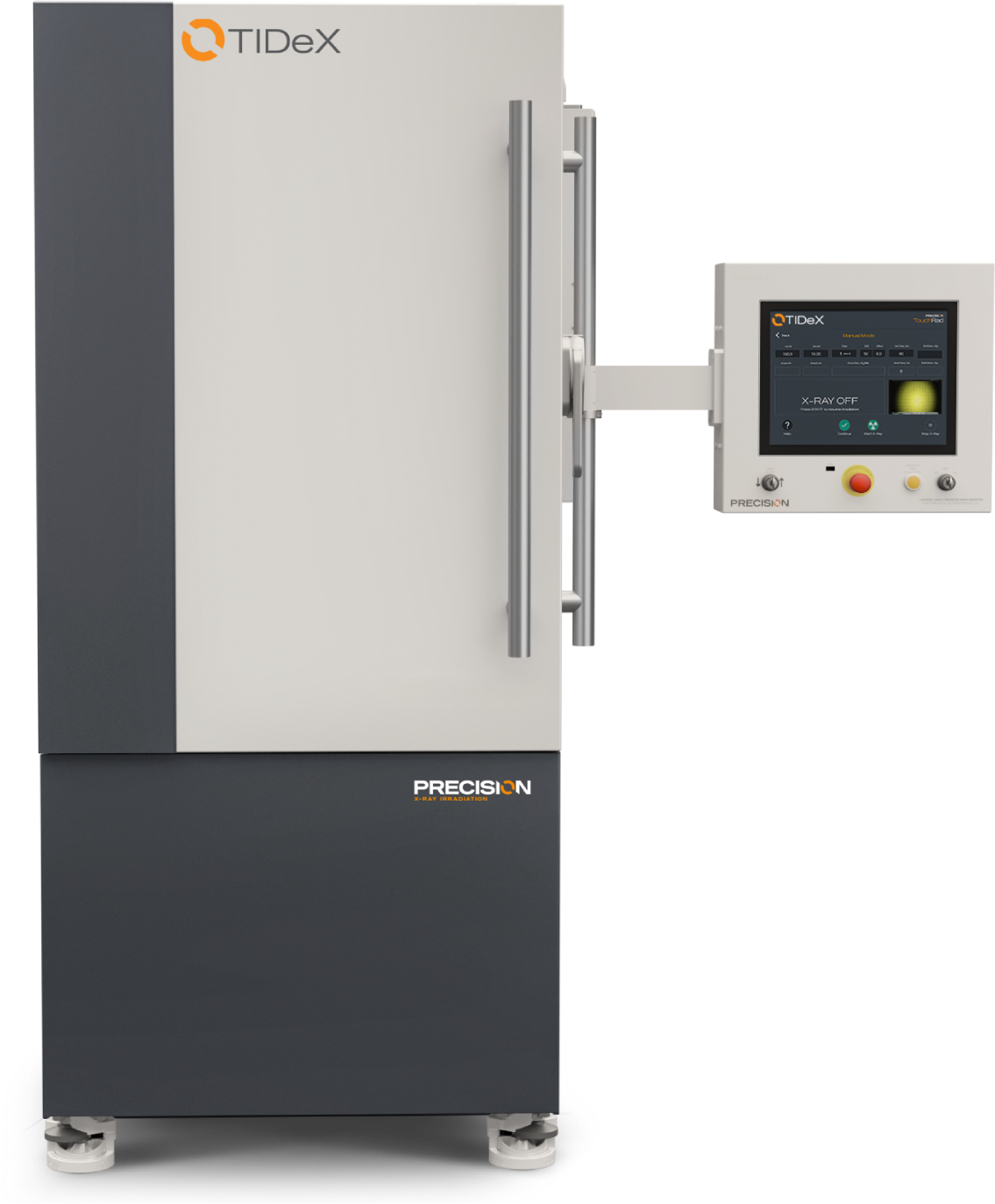
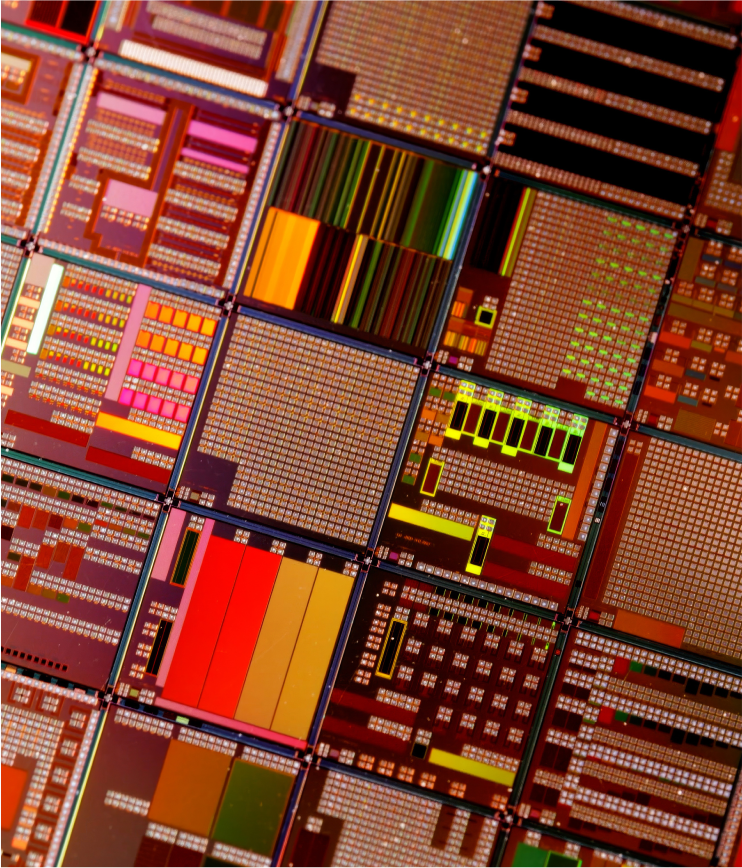
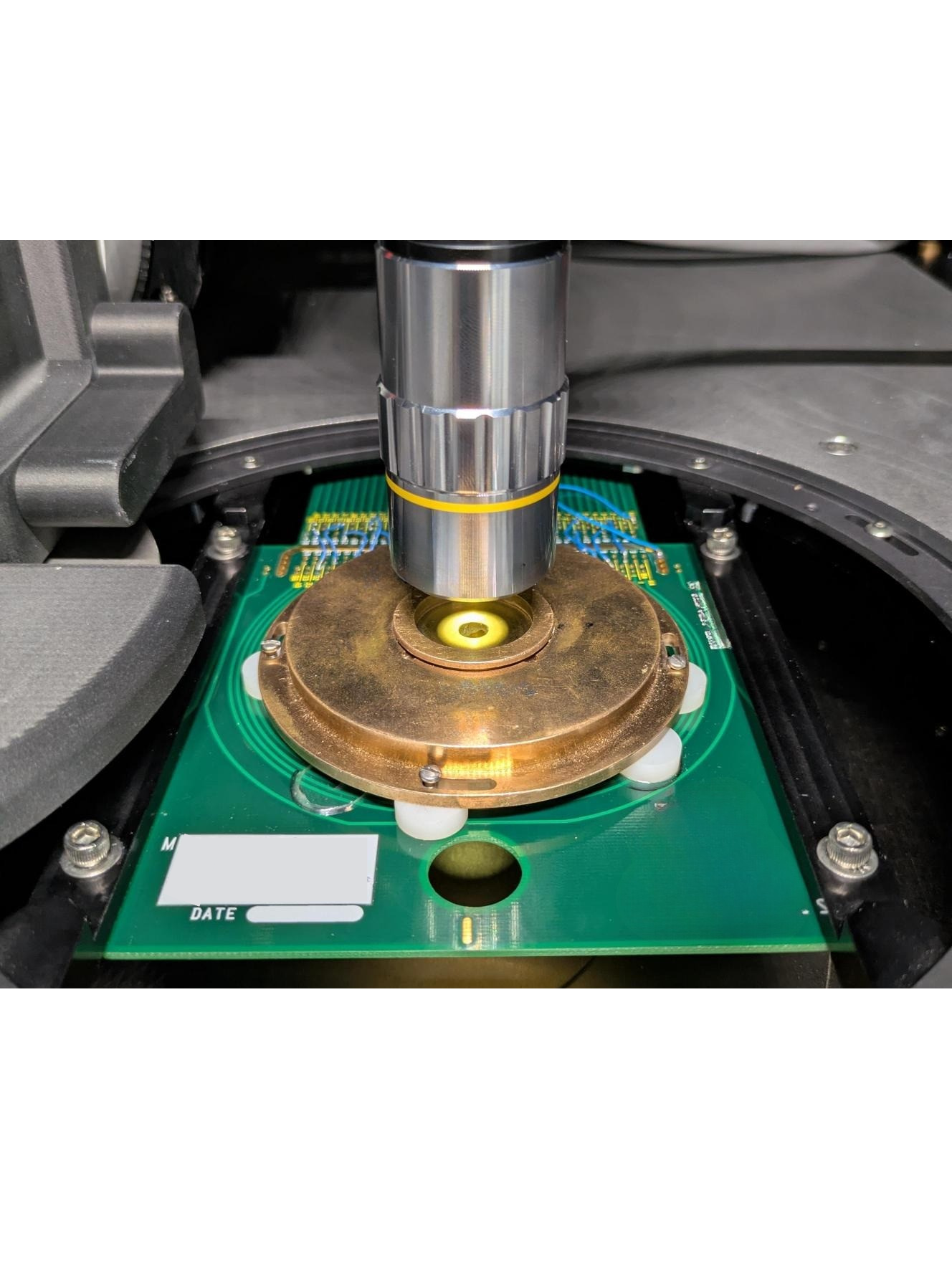
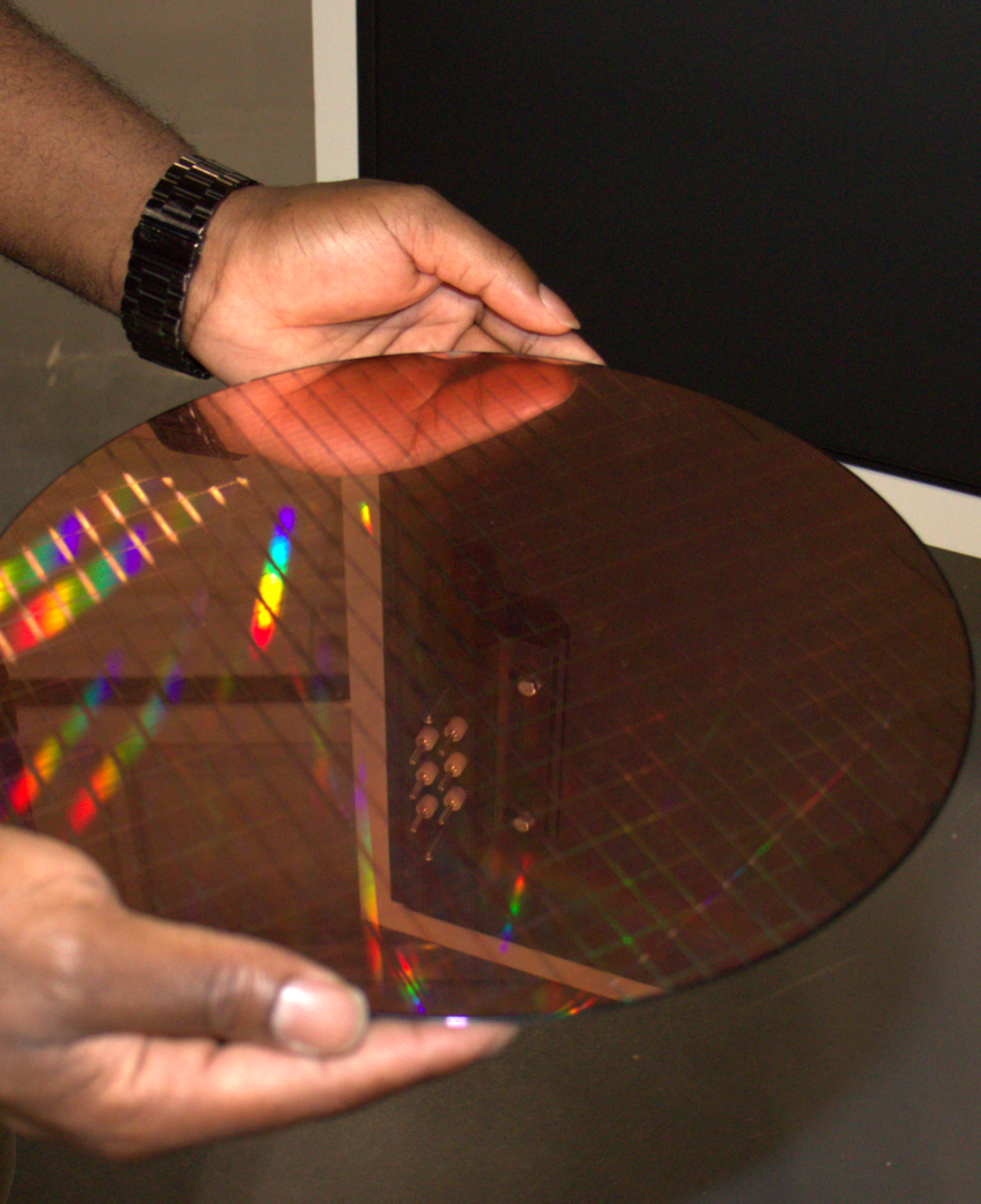
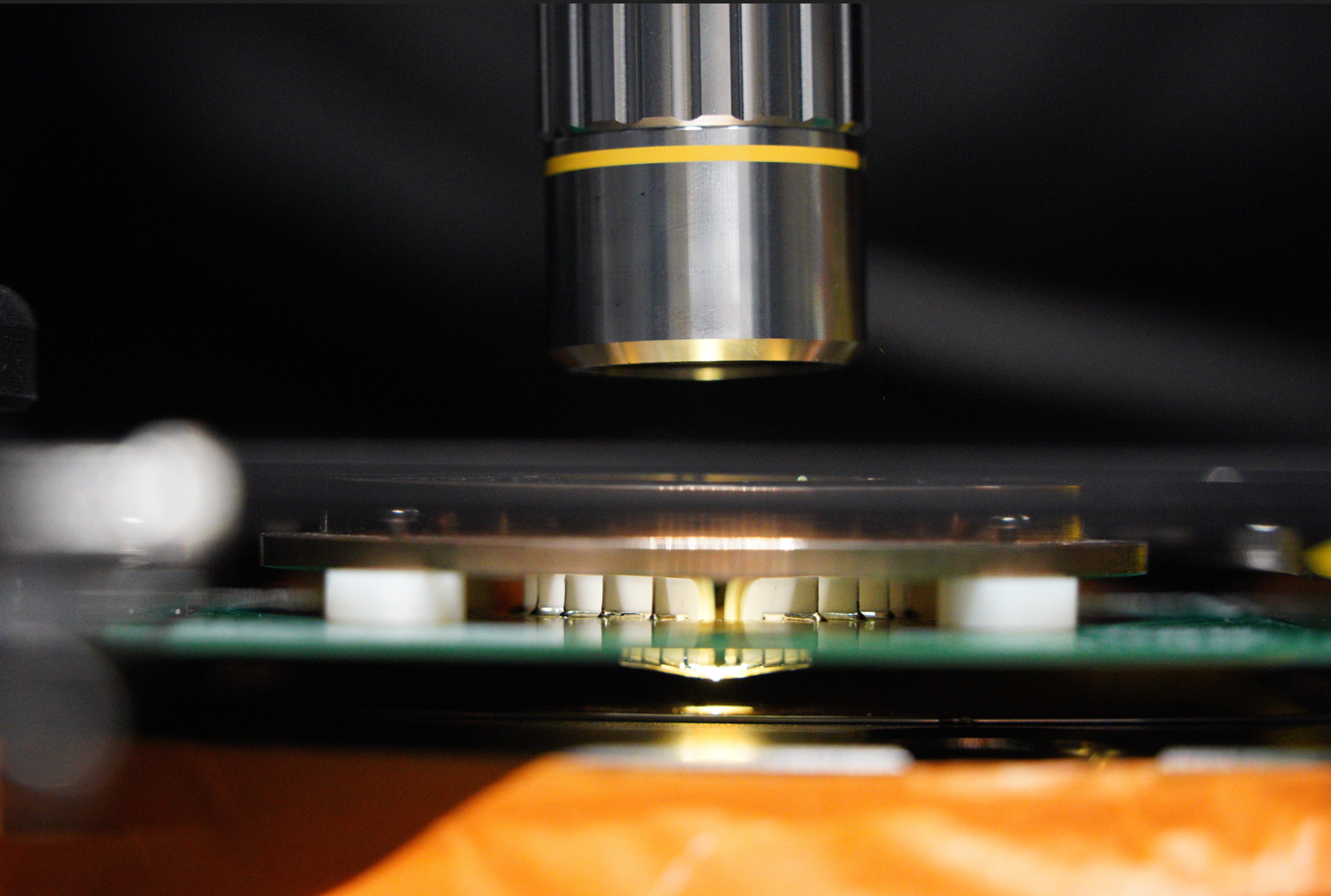
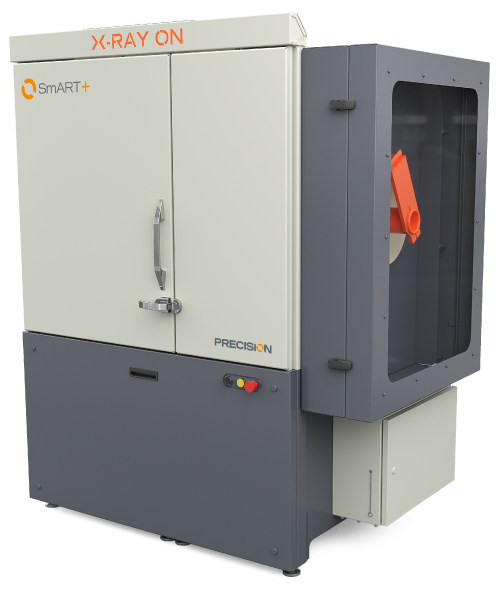
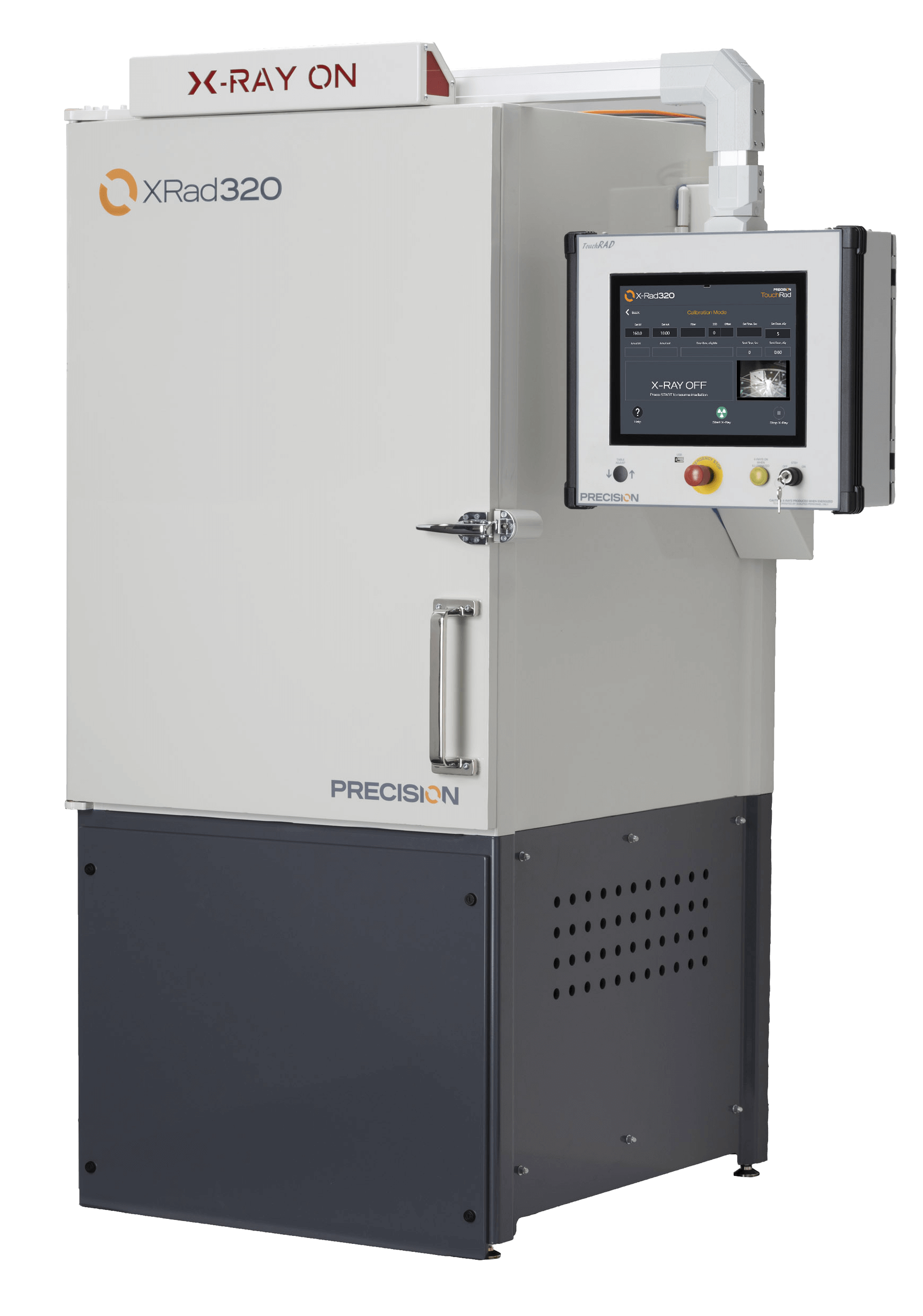
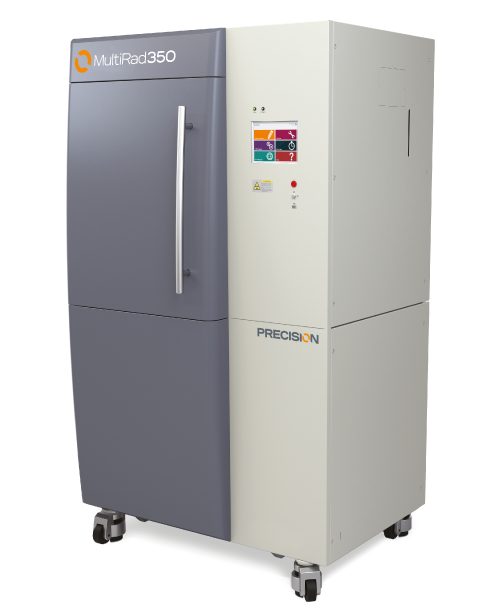
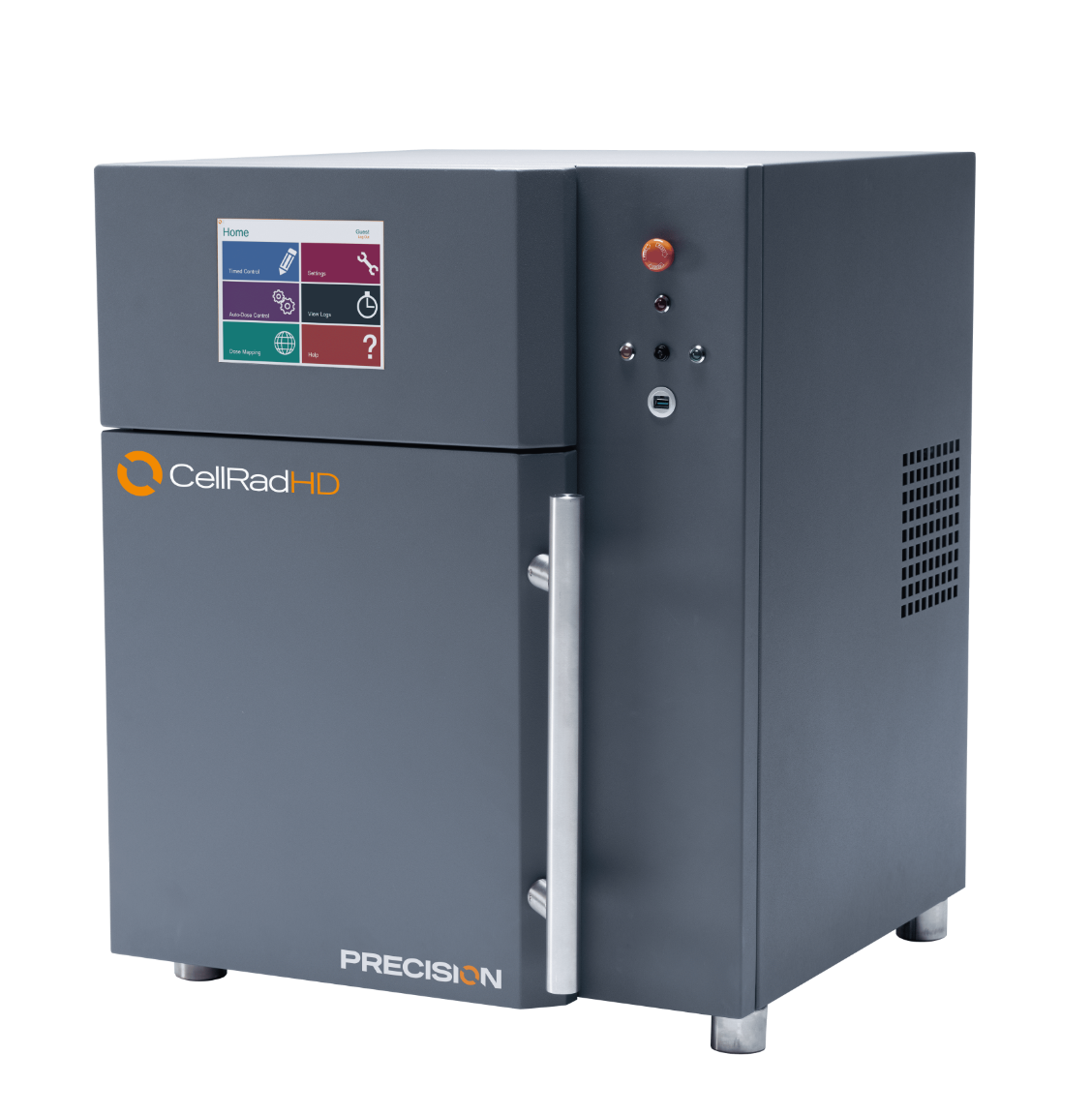
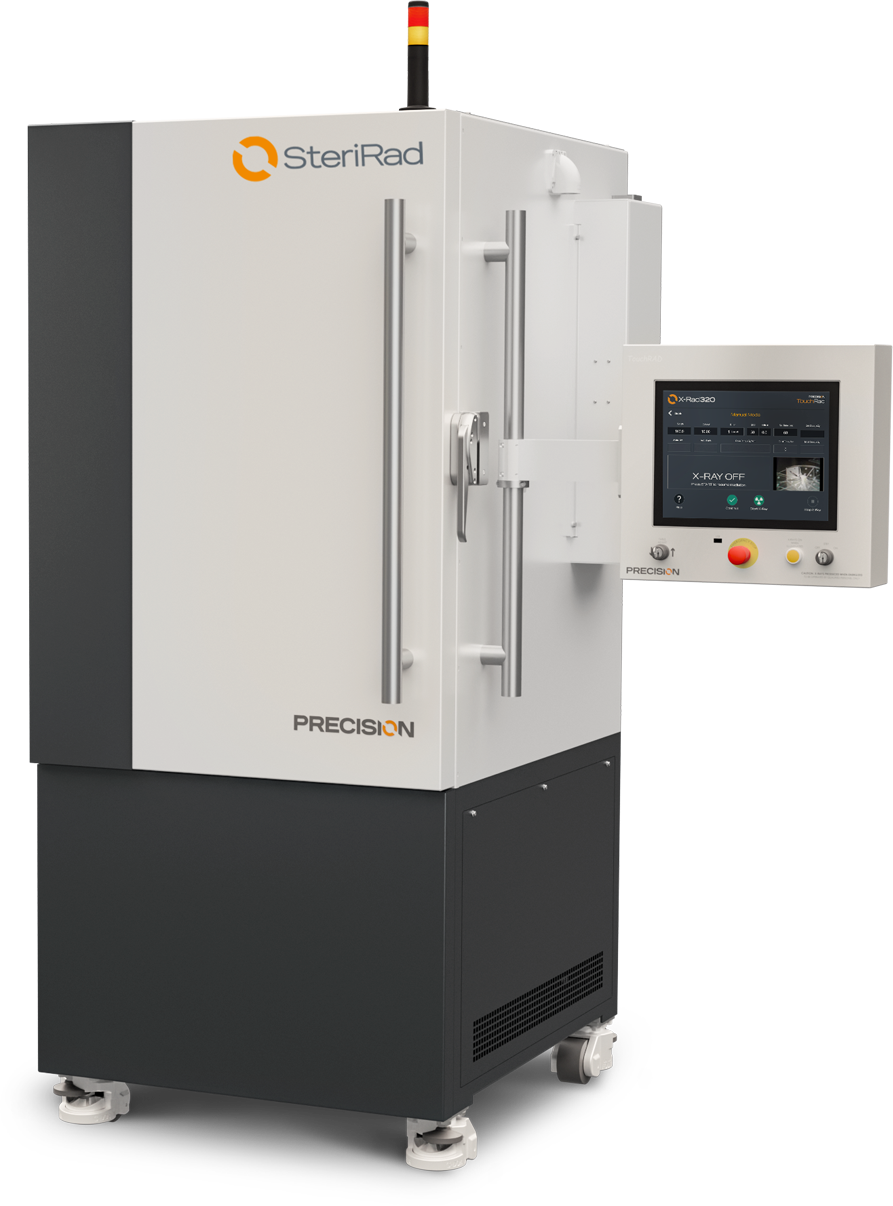
Components, including semiconductor wafers and integrated circuits, can be evaluated through specialized X-ray irradiation applications that measure Total Ionizing Dose (TID) before integration into final designs. By exposing these components to controlled radiation levels, this method provides critical insight into device durability and quality control.
Your components validated under extreme radiation conditions
BUILT TO LAST
Designed for long-term reliability
FULLY INTEGRATED DOSIMETRY
Customized to specific applications
ALL IN ONE PLATFORM
Unified workflow & dedicated software
Applications
Defense &
Security
Defense & Security
Total Ionizing Dose (TID) effect directly impacts the reliability, survivability, and mission assurance of electronic systems operating in radiation-rich or hostile environments.
Validation of models and simulation tools
Training, Protocol Development, and Standardization
Semiconductor Manufacturing
Semiconductor Manufacturing
Total Ionizing Dose (TID) effect directly impact the reliability, long-term performance, and yield of semiconductor wafers exposed to radiation-rich or hostile environments.
Long-term device reliability
Influences process yield and qualification
Nuclear Environments
Nuclear Environments
In nuclear facilities, electronic systems must operate reliably under continuous radiation exposure. Evaluating Total Ionizing Dose (TID) effects is essential to maintaining performance, safety, and operational integrity.
Maintains performance under continuous exposure
Limits radiation-induced drift and degradation
Supports regulatory and qualification requirements
Space & Aerospace
Space & Aerospace
Space and aerospace electronics are exposed to ionizing radiation that can degrade performance over time, making TID management critical for reliability and mission success.
Quantifies performance degradation over mission life
Supports space and aerospace qualification
Protects mission-critical electronics and payloads
FAQs
What is Total Ionizing Dose (TID)?
Total Ionizing Dose (TID) refers to the cumulative amount of ionizing radiation absorbed by a material or electronic device over time. It is typically measured in rad or gray (Gy) and is used to evaluate long-term radiation exposure effects on components and systems.
What are TID effects on electronic components?
TID exposure can cause gradual degradation in electronic performance, including threshold voltage shifts, increased leakage current, timing errors, functional instability, and eventual device failure—particularly in semiconductor-based components.
Why is TID testing important?
TID testing helps to quantify how long electronic components and systems can operate reliably in radiation-harsh environments. It is critical for qualifying components used in space, aerospace, defense, nuclear, medical, and high-energy physics applications.
What industries require TID testing?
Common uses include:
– Aerospace and space systems
– Defense and military electronics
– Nuclear energy and research
– Medical imaging and therapy equipment
– High-reliability industrial electronics
How is TID testing performed?
Total Ionizing Dose (TID) effect testing is conducted by exposing devices to a controlled ionizing radiation source while monitoring electrical performance over time. Dose rates, total dose levels, and test conditions are tailored to application-specific requirements and industry standards.
What is the difference between TID & SEE testing?
TID (Total Ionizing Dose) effect evaluates cumulative, long-term radiation damage
SEE (Single Event Effects) focuses on instantaneous, radiation-induced disruptions or failures
Both are essential for comprehensive radiation qualification.
Why use x-ray irradiation for TID testing?
X-ray systems provide a controlled, repeatable, and cost-effective method for simulating high levels of ionizing radiation exposure without the regulatory and logistical challenges associated with radioactive sources.
Over 20 Years
in X-ray technology
OVER 1,800
system installations globally
DEDICATED
service & support
EXPLORE PRECISION X-RAY, INC. SYSTEMS
Discover how TIDeX supports your quality and reliability testing.
Speak with our experts today.

 Part of Tibidabo Scientific Industries