
 Part of Tibidabo Scientific Industries
 The Best Choice For Cell Irradiation And Biological Research
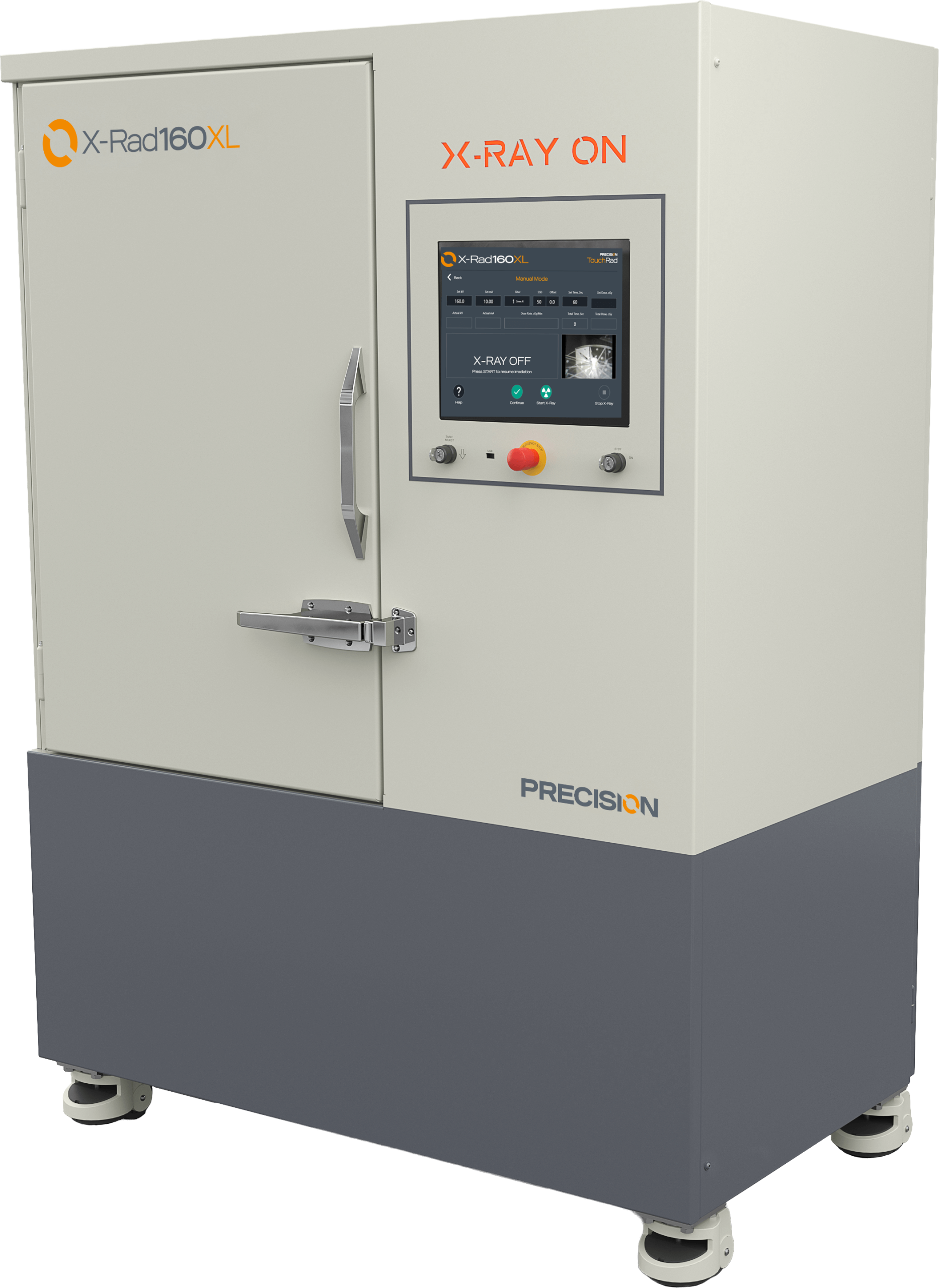
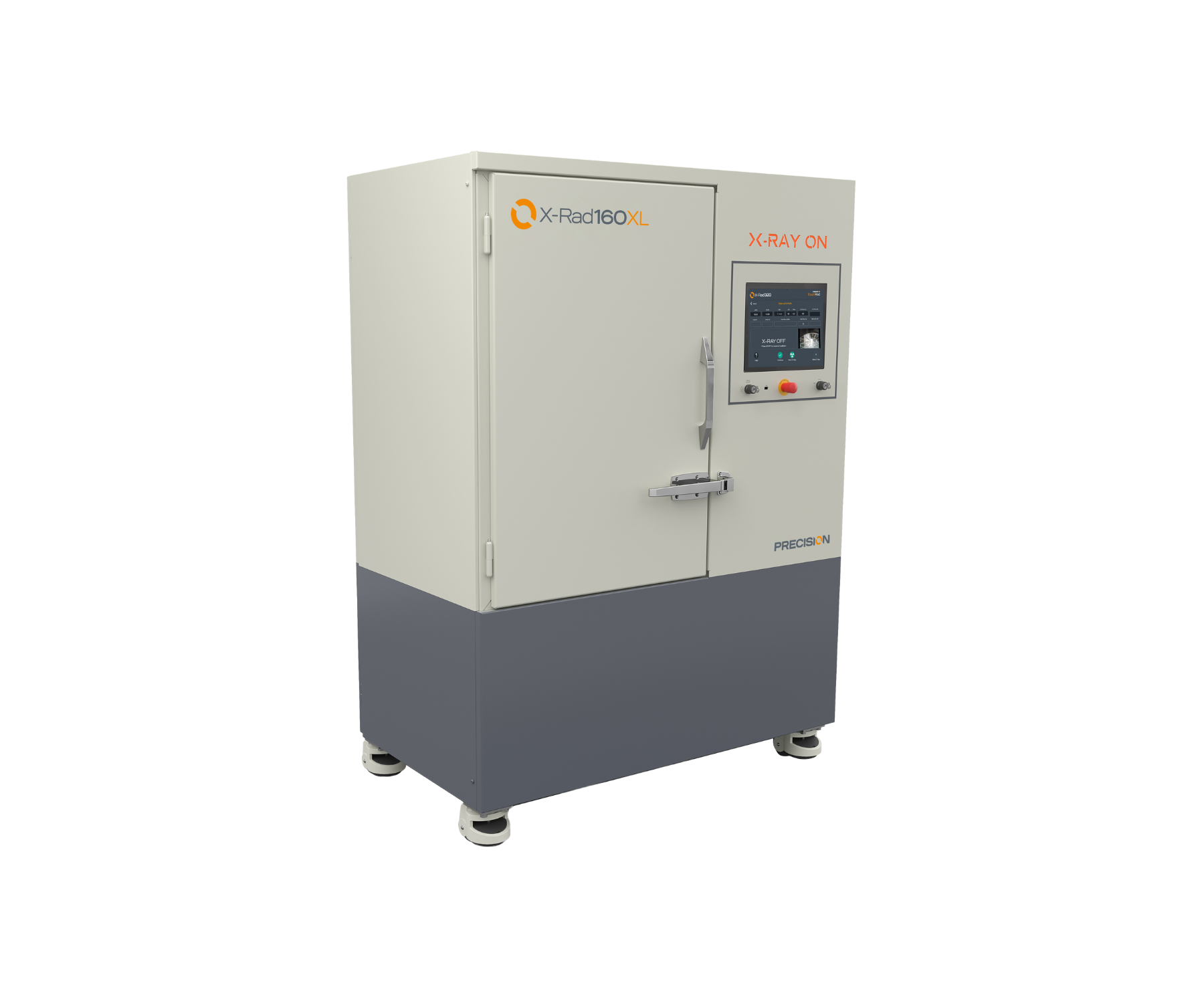
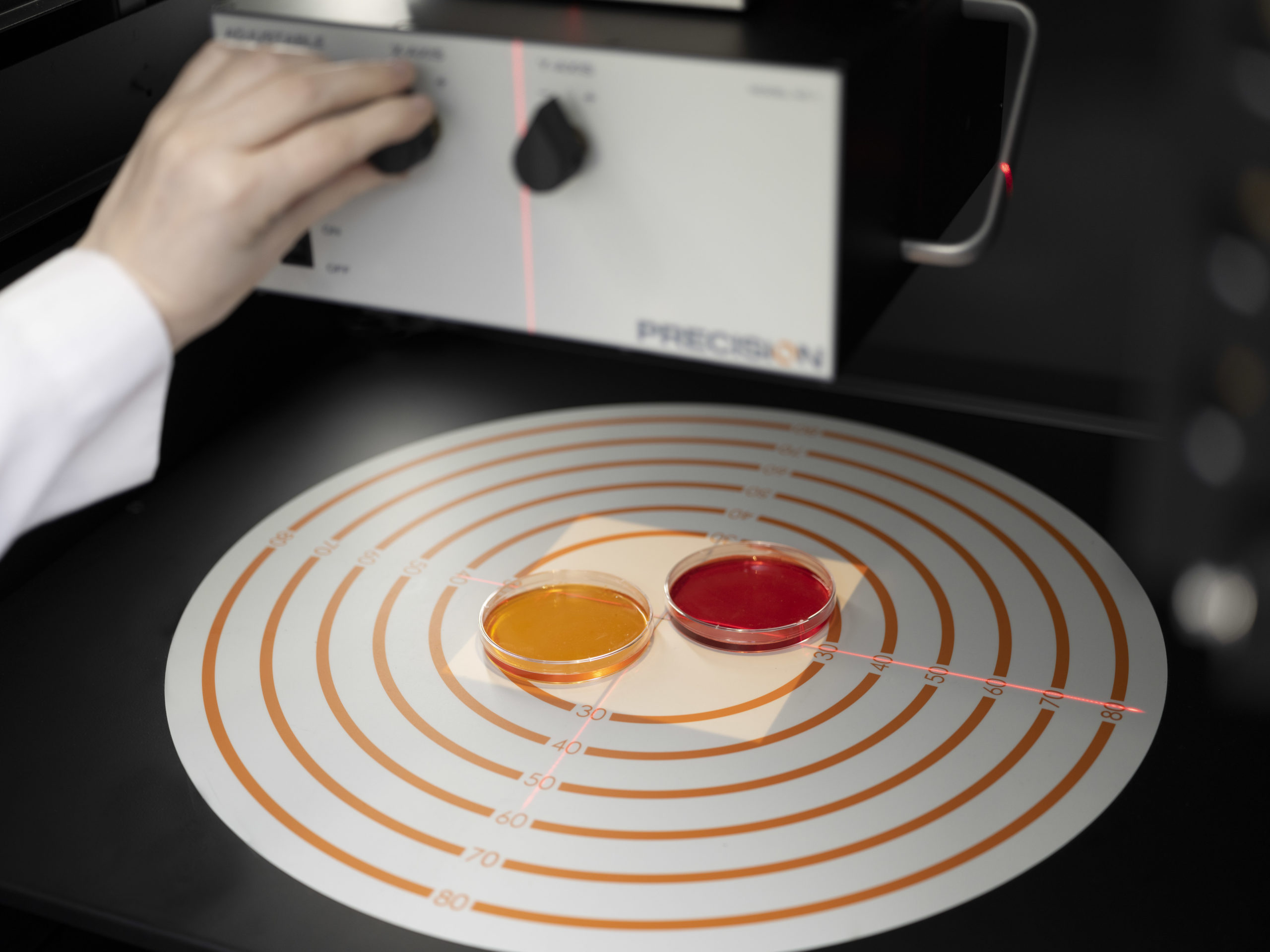
The X-Rad160XL is a compact x ray irradiator designed for high-throughput irradiation of cell and tissue cultures. This reliable irradiation system delivers accurate, repeatable dosing for a wide range of radiobiology and translational research applications.
As an advanced in vitro irradiation system and research irradiator, the X-Rad160XL provides consistent radiation delivery with the planetary turntable, ensuring excellent dose uniformity across multiple cell plates. Its design also supports use as a safe irradiation system with no radioactive source, offering efficient and dependable performance for modern laboratory environments.
 Download Brochure
 Powered by Bioz
Options To Expand Your Research Potential
The X-Rad320 has been instrumental in achieving our research goals to evaluate the role of lymphocyte subsets in virus infections of the eye

Laminin 332 Deposition Is Diminished in Irradiated Skin in an Animal Model of Combined Radiation and Wound Skin Injury
read more ›
Preliminary Studies with a New Hypoxia-selective Cytotoxin, KS119W, in Vitro and in Vivo
read more ›
Increased Mutagenic Joining of Enzymatically-induced DNA Double-strand Breaks in High-charge and Energy Particle Irradiated Human Cells
read more ›
MiR-21 Is Continually Elevated Long-term in the Brain after Exposure to Ionizing Radiation
read more ›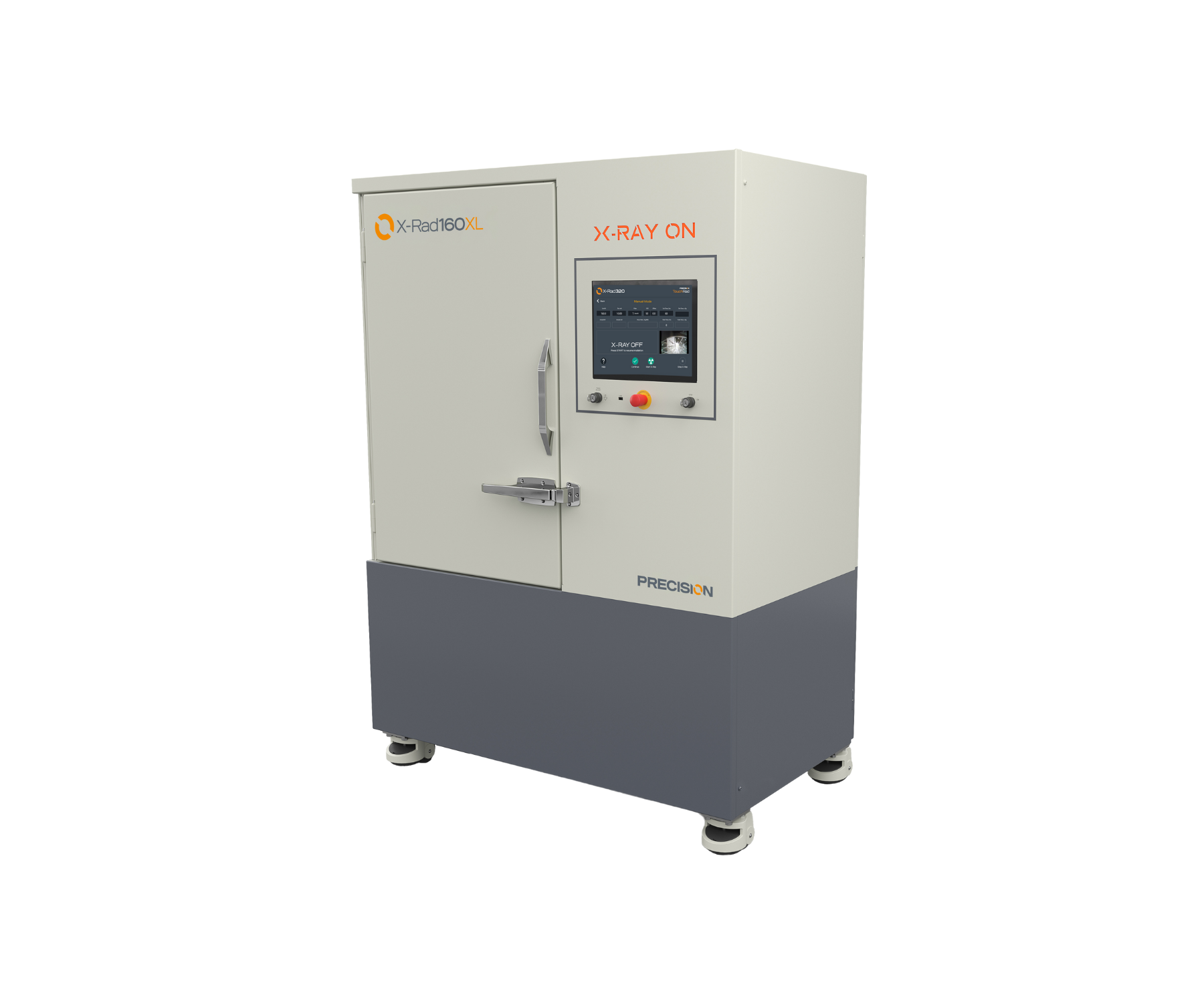
Want To Learn More?
CONTACT USFAQs
The X‑Rad160XL is commonly used for:
- Cell and tissue irradiation studies
- Stem cell research protocols
- Cancer and immunotherapy research
- Viral inactivation and sterilization work
- Translational radiobiology experiments
- High‑throughput dosing of multi‑well plates
Its design makes it suitable for laboratories focused on controlled radiation exposures in biological samples.
The X‑Rad160XL uses a graphical TouchRad interface that:
- Lets users program exposure parameters and recall them later
- Stores exposure and user history in an exportable database
- Supports hundreds to thousands of user accounts and administrative control
These features help maintain experimental consistency and traceability
No. The X‑Rad160XL’s fully shielded cabinet design eliminates the need for external room shielding unlike traditional radioactive sources, making installation and lab safety compliance more straightforward.
Yes. All X-Rad systems including the X-Rad160XL can be equipped with the OptiMAX multimodal imaging module, which enables X‑ray imaging plus optical/bioluminescent imaging in a single workflow, improving localization of targets and post‑irradiation assessment.
Yes — the TouchRad software allows users to save defined exposure protocols (energy, dose, filters, timing, etc.) for later recall. This enhances consistency across experiments and simplifies repeated workflows in multi‑user labs.
