
 Part of Tibidabo Scientific Industries
 The System Designed For Small Animal Irradiation And Targeted Studies
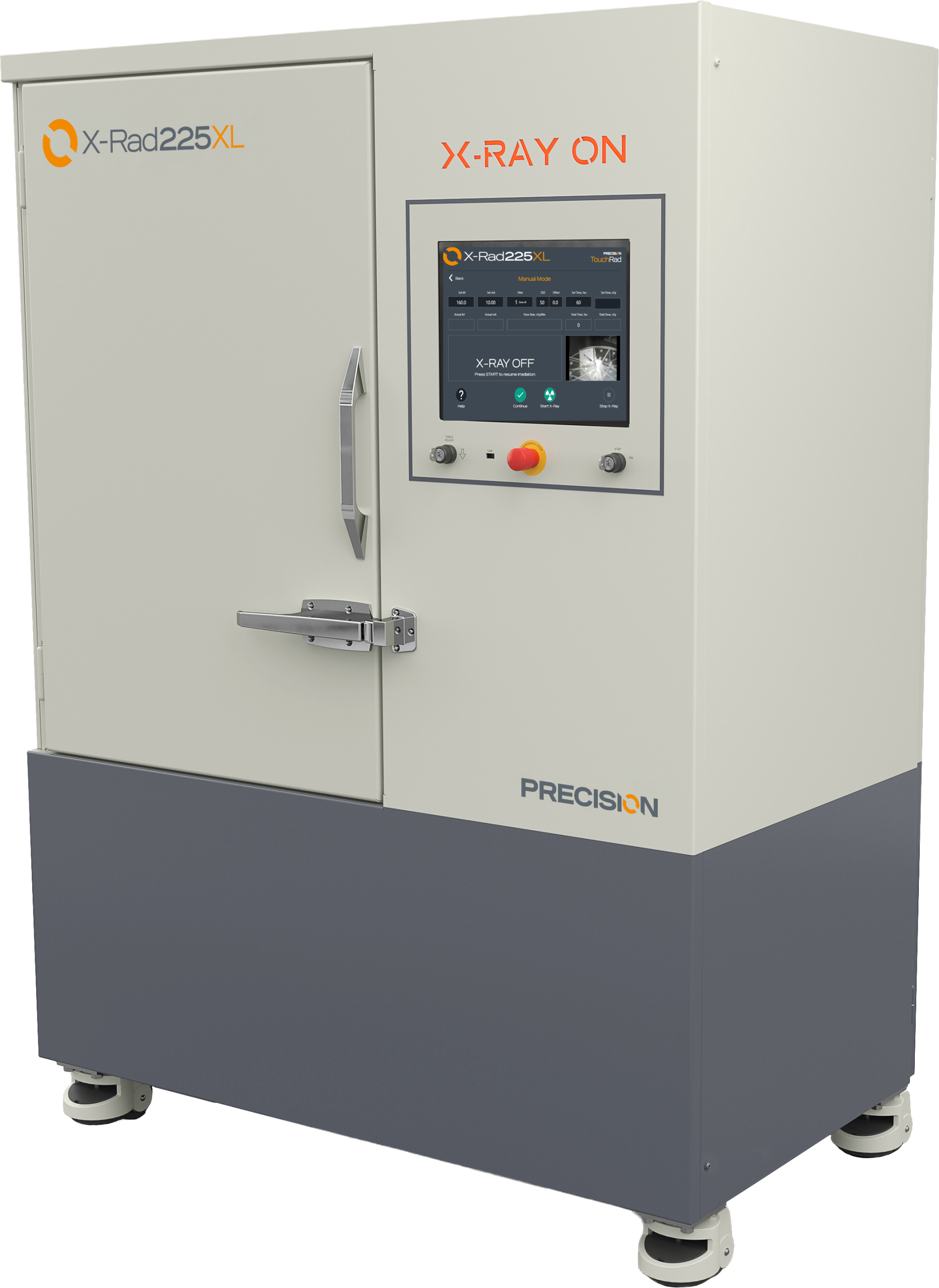
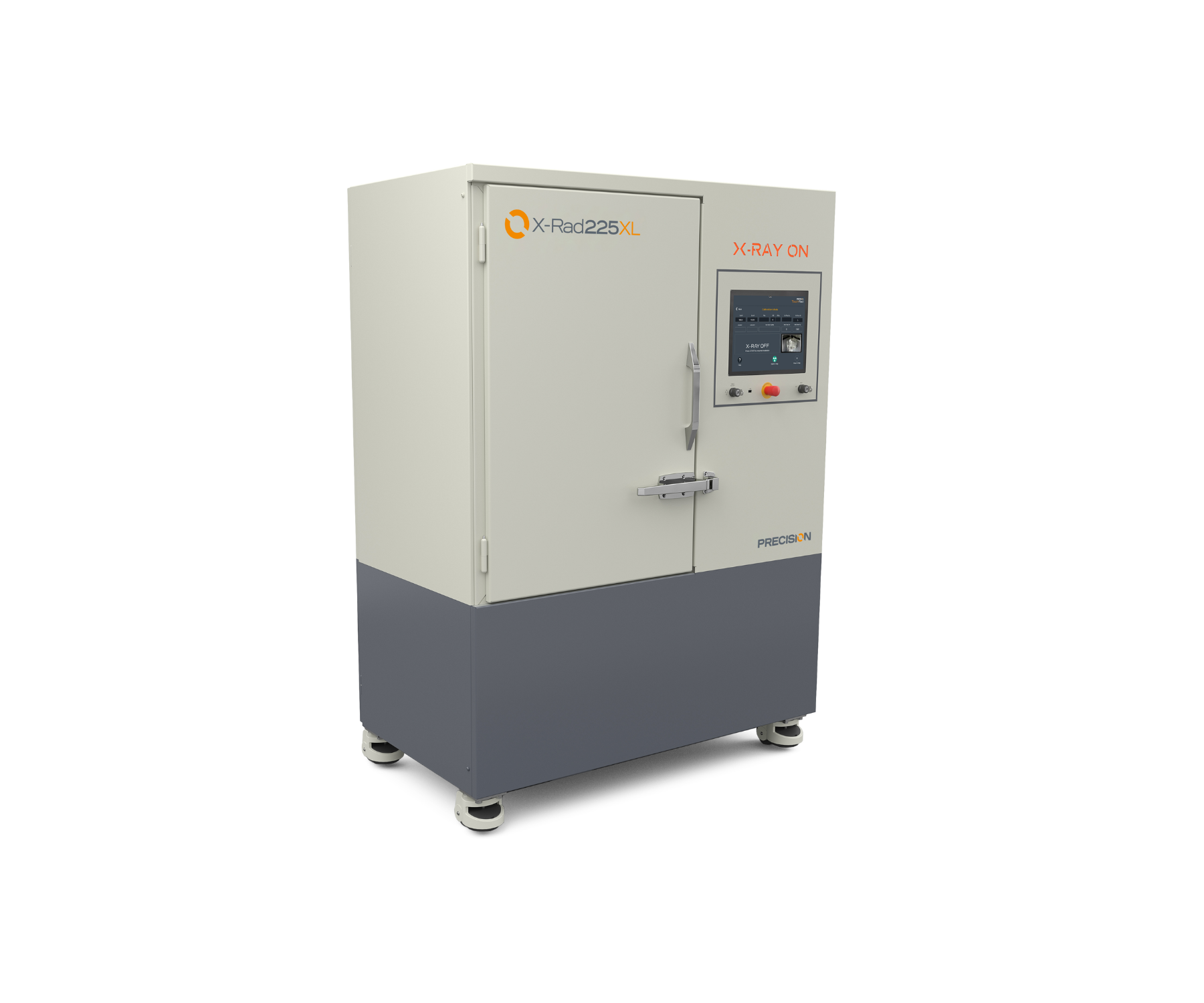
The X-Rad225XL is a versatile x-ray irradiation system designed for large cell cultures and small animal models, making it an ideal preclinical irradiation system for translational research. This advanced biological irradiator delivers precise dose irradiation with excellent uniform dose irradiation.
It serves as a safe irradiation system with no radioactive source, supporting both in vitro and in vivo applications. The integrated OptiMAX module enhances this Image-Guided Radiation System with fast modality switching and precise image co-registration for improved workflow and accuracy.
 Download Brochure
 Powered by Bioz
Options To Expand Your Research Potential
The X-Rad320 has been instrumental in achieving our research goals to evaluate the role of lymphocyte subsets in virus infections of the eye

Tumor Radiosensitization by Photobiomodulation
read more ›
Quantifying Reoxygenation in Pancreatic Cancer During Stereotactic Body Radiotherapy
read more ›
Increased Mutagenic Joining of Enzymatically-induced DNA Double-strand Breaks in High-charge and Energy Particle Irradiated Human Cells
read more ›
P21 Protects ‘Super P53’ Mice from the Radiation-induced Gastrointestinal Syndrome
read more ›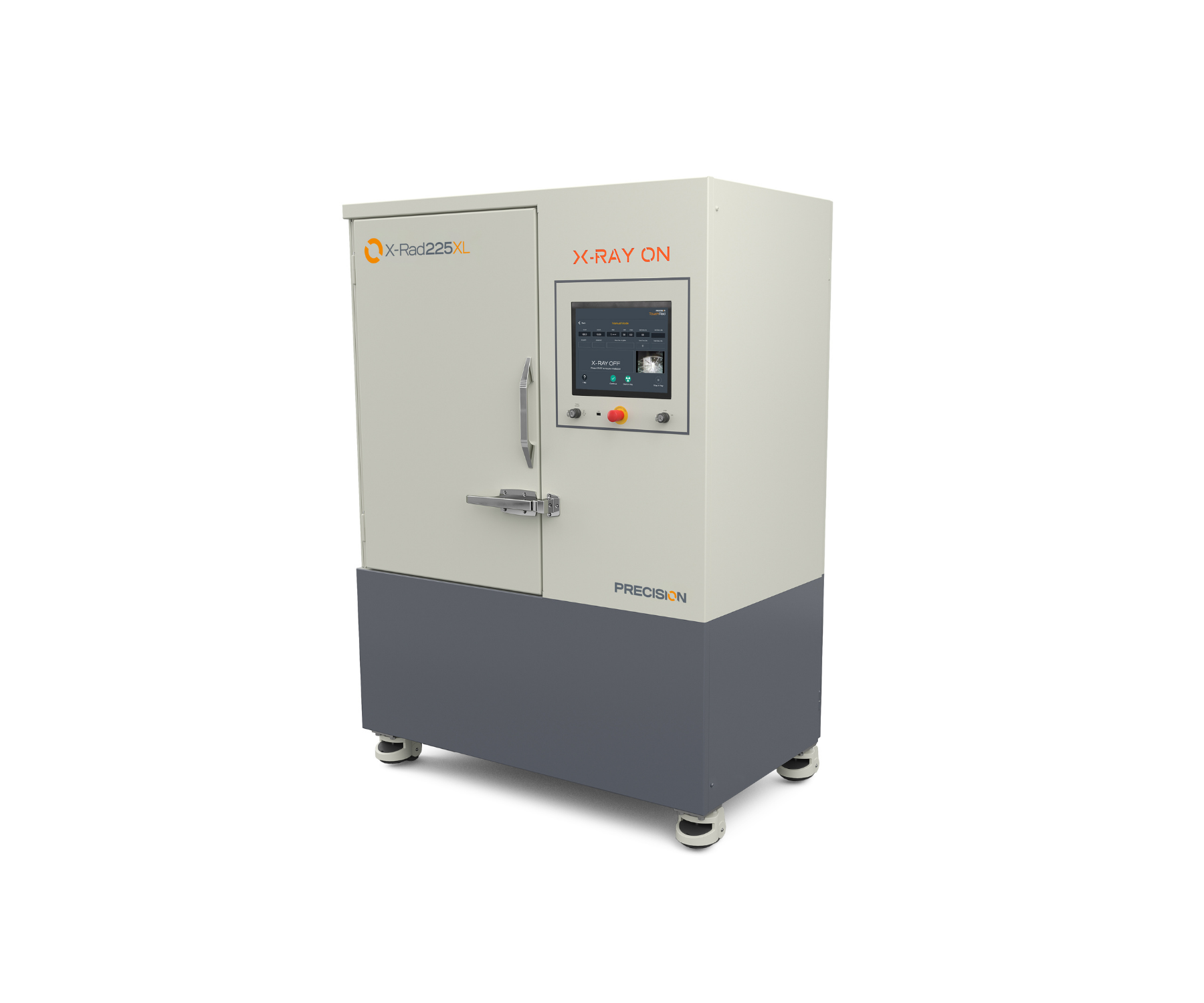

Want To Learn More?
CONTACT USFAQs
Applications include small animal whole-body irradiation, targeted irradiation, translational radiobiology, immune response studies, virus inactivation, and small animal tumor model work.
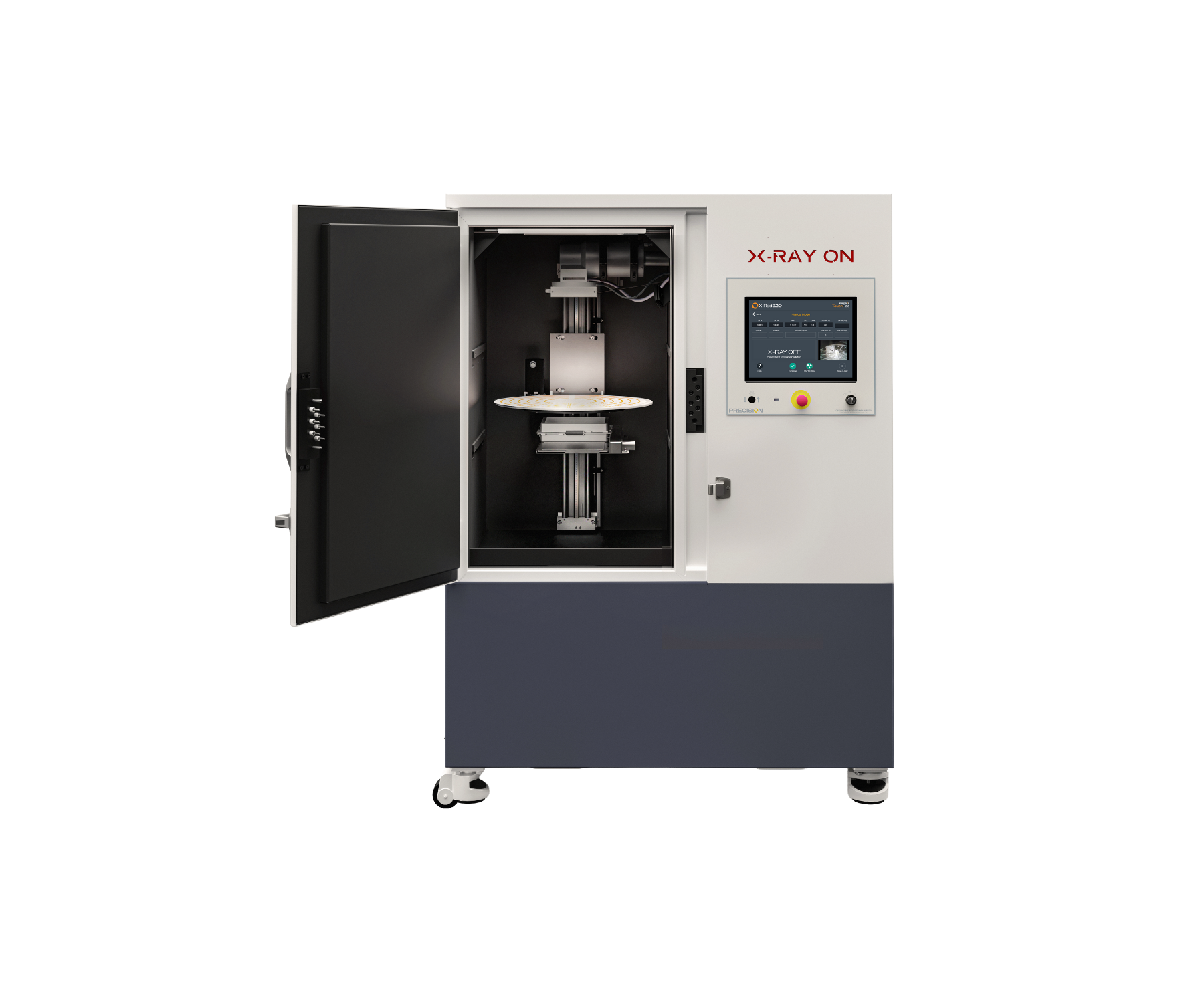
The X‑Rad225XL has one of the largest irradiation chambers available in its category, offering substantial space for larger samples, plates, or small animals, making it versatile for high‑throughput research.
Key hardware highlights include:
- 225 kV X‑ray tube and generator with stable output for varied dose rates.
- Motorized turntable and adjustable specimen shelf for uniform exposure across samples.
- Full‑screen, real‑time specimen viewing with image capture.
- Automated filter recognition for consistent beam conditioning.
- Largest available cabinet chamber for flexibility.
The system operates up to 225 kV and can be configured for both high and low dose rates, depending on filtration and setup. While specific numbers depend on configuration and distance, this energy range covers most biological irradiation protocols used in research.
Yes. The modular design allows customers to add options after initial installation, such as imaging modules, advanced dosimetry hardware, motorized shelves, and variable collimators. This lets labs scale functionality as project needs evolve.
