
 Part of Tibidabo Scientific Industries
 The World Leader In X-Ray Irradiation
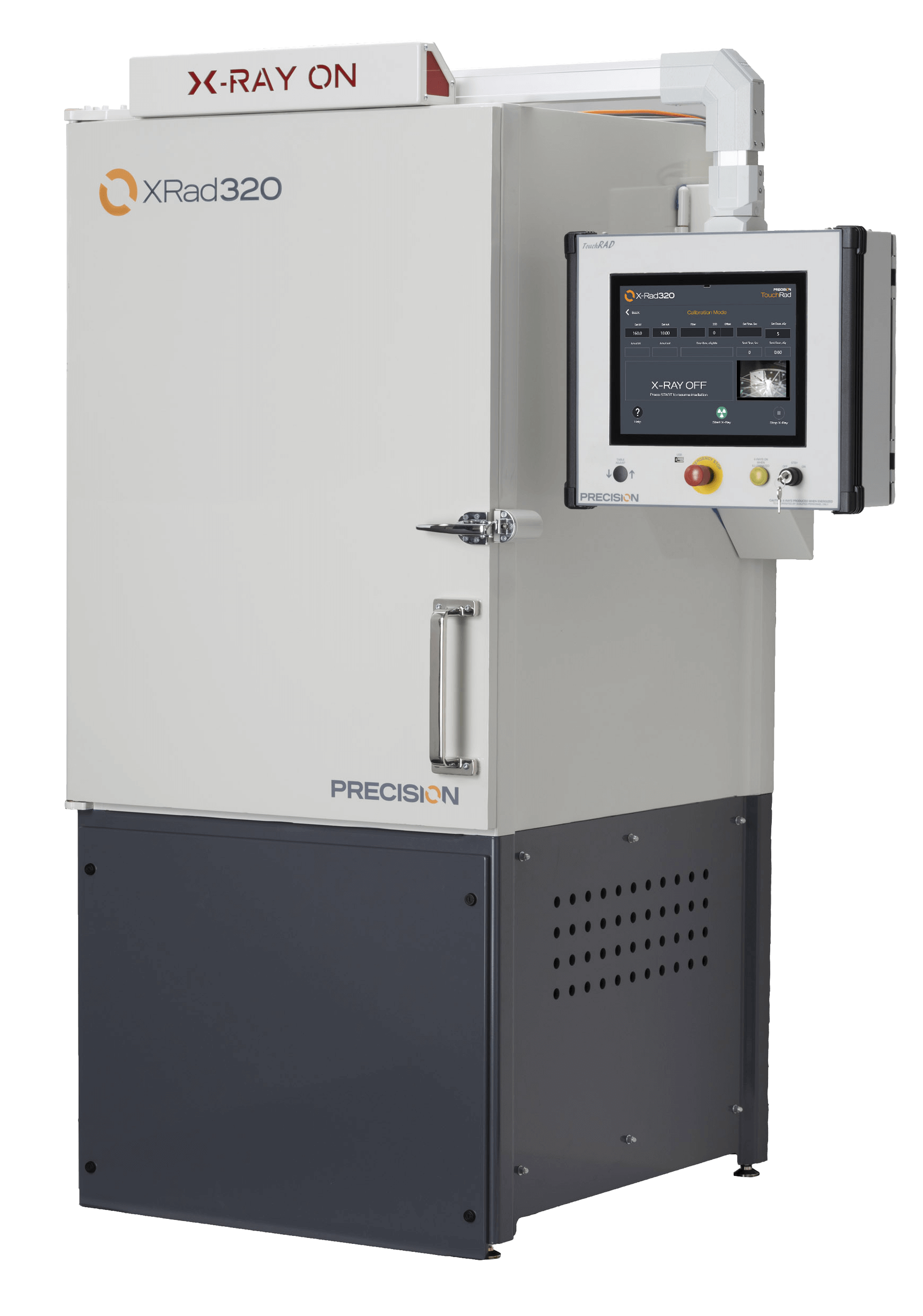
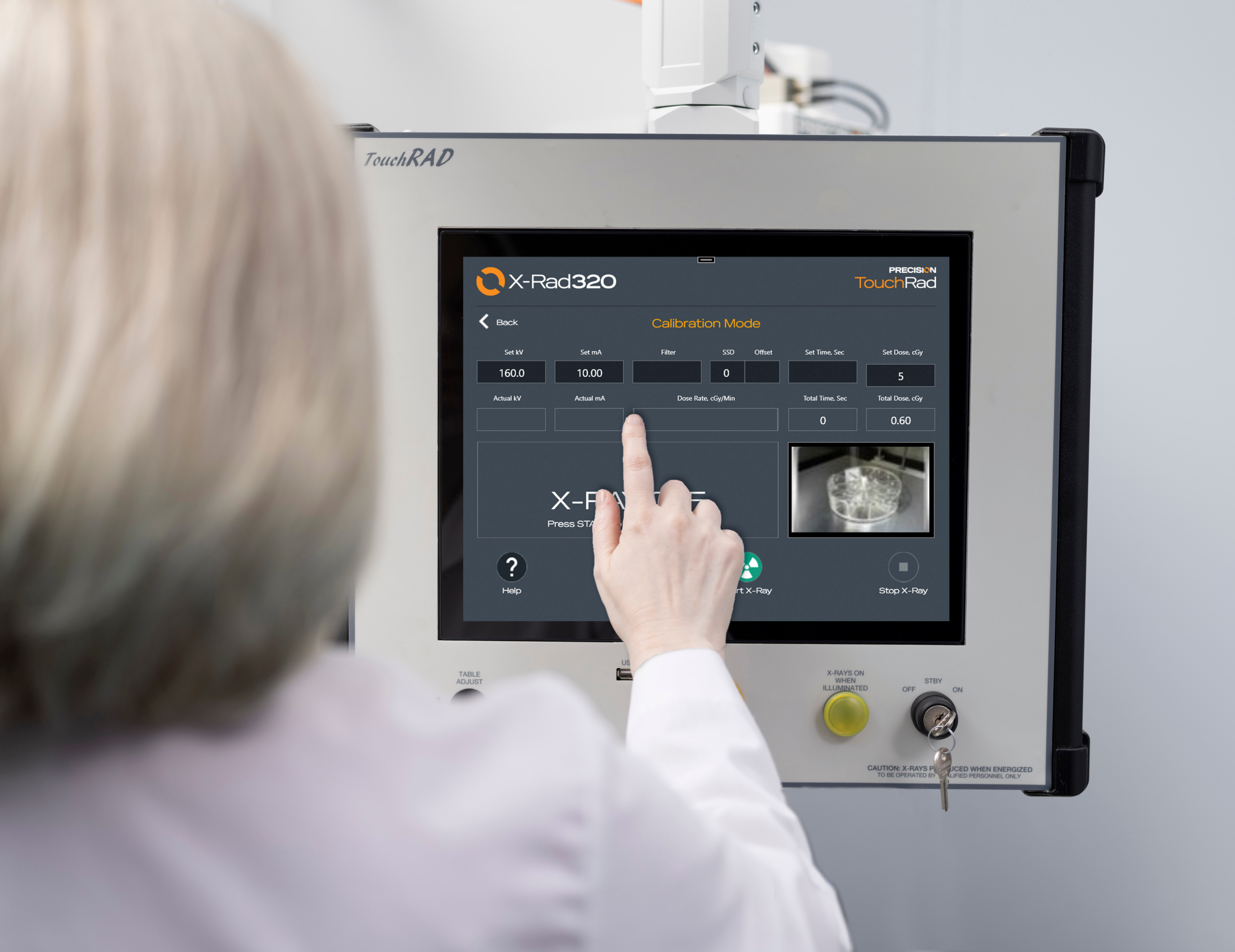
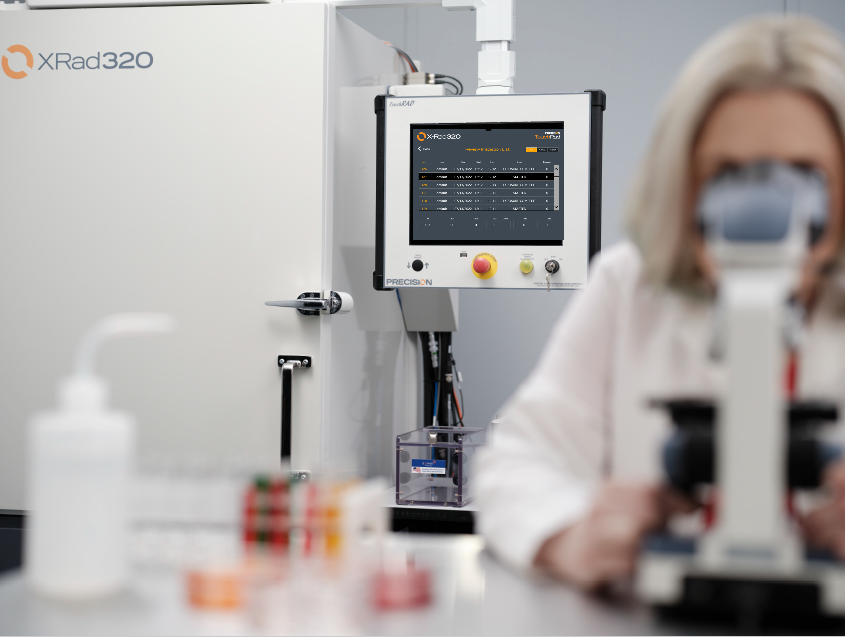
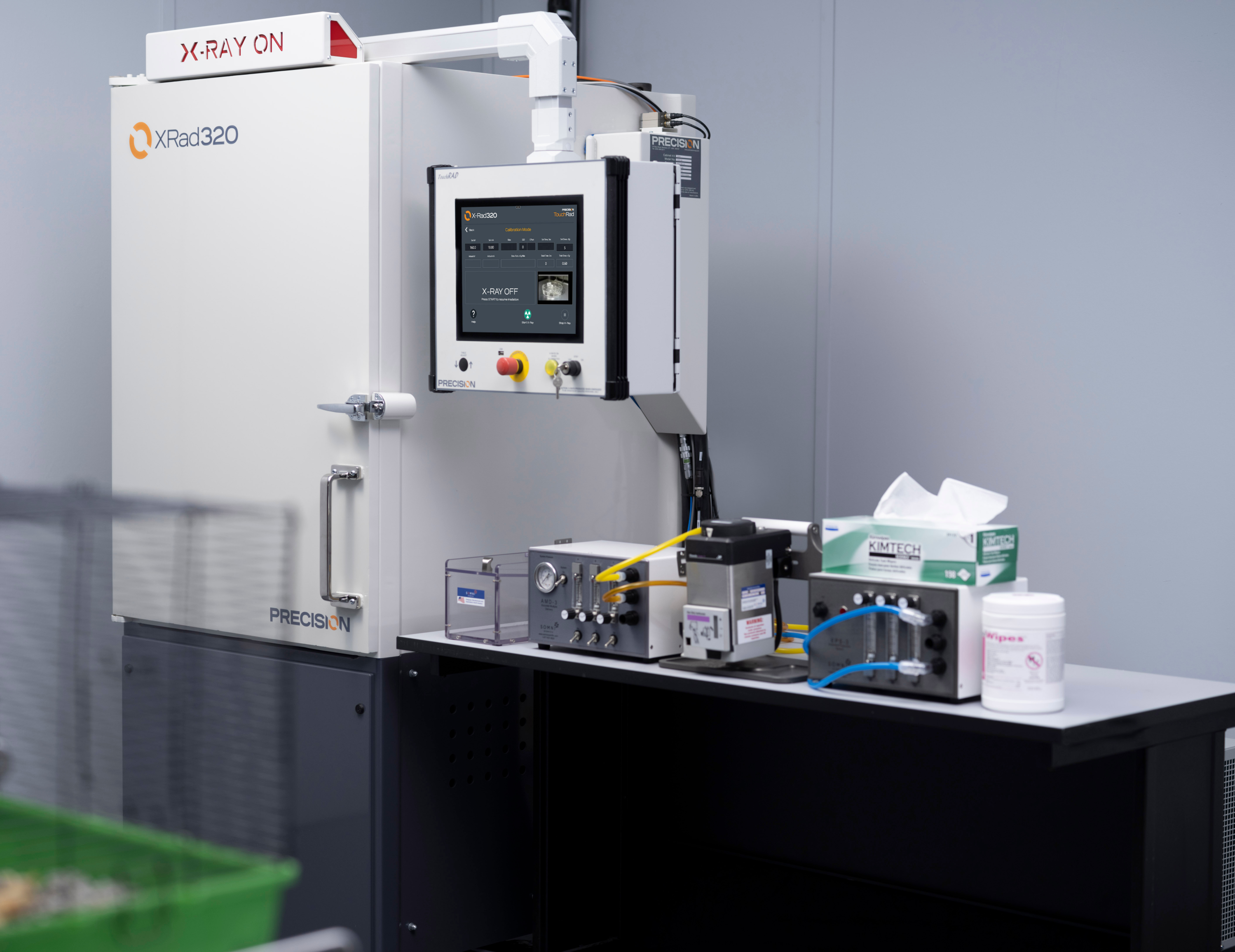
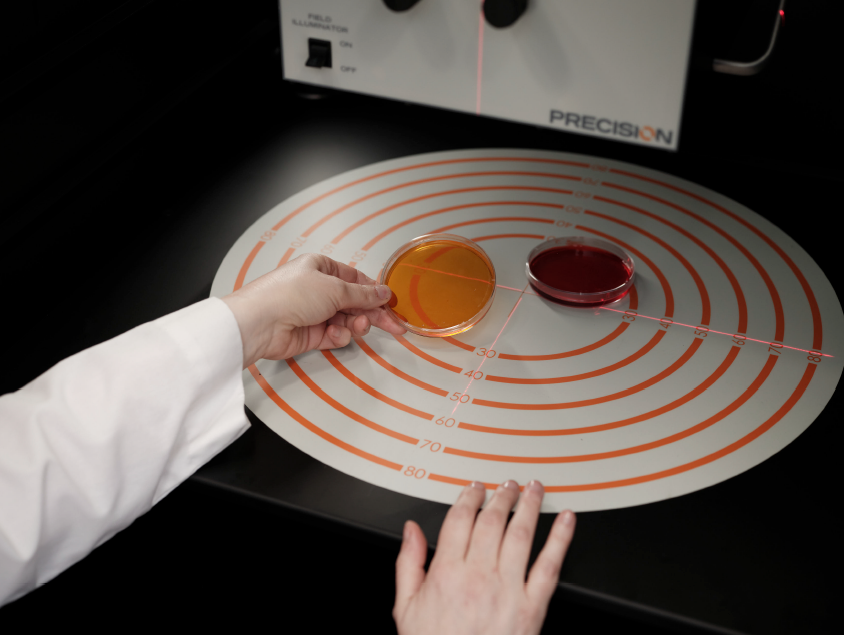
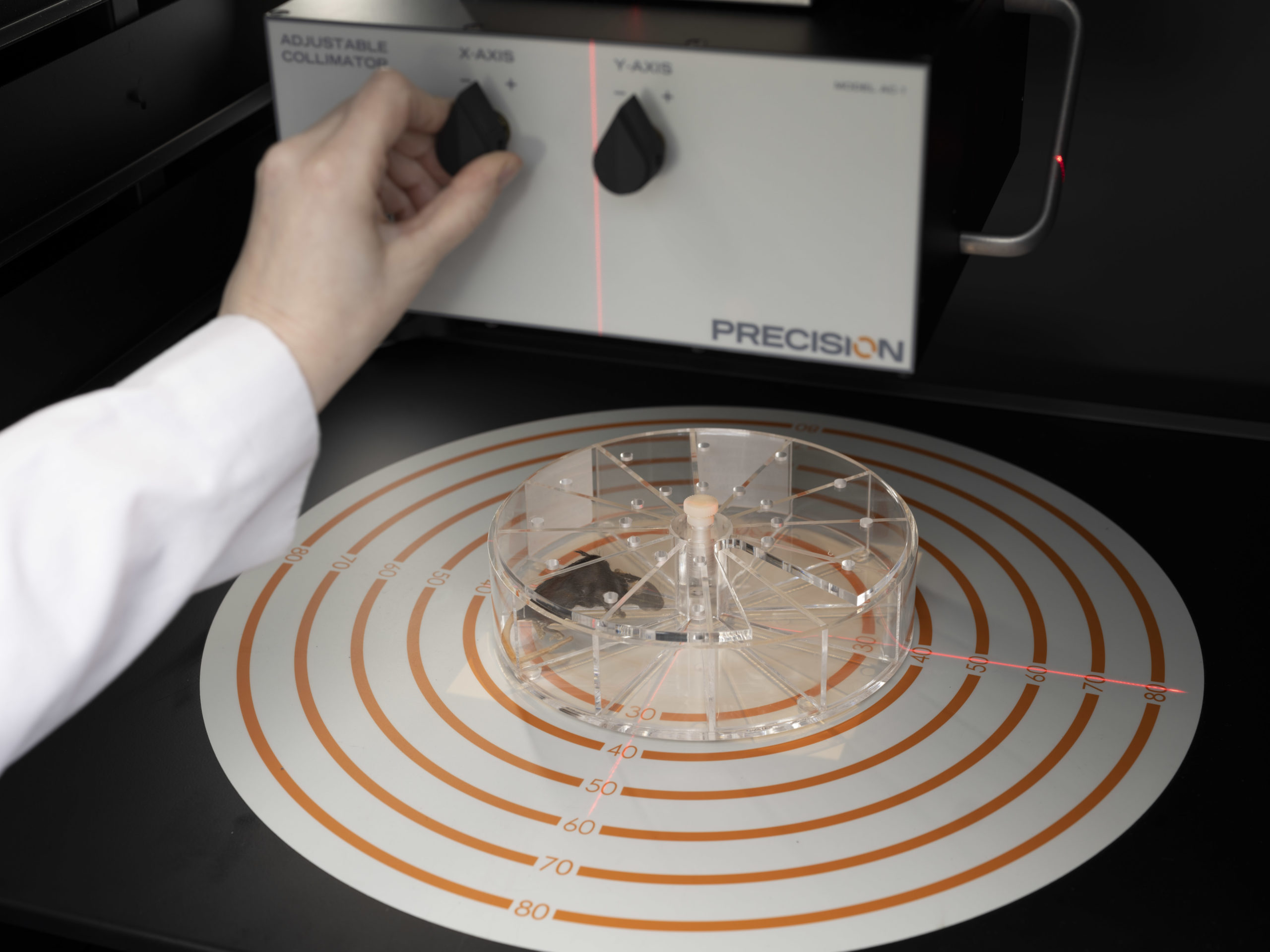
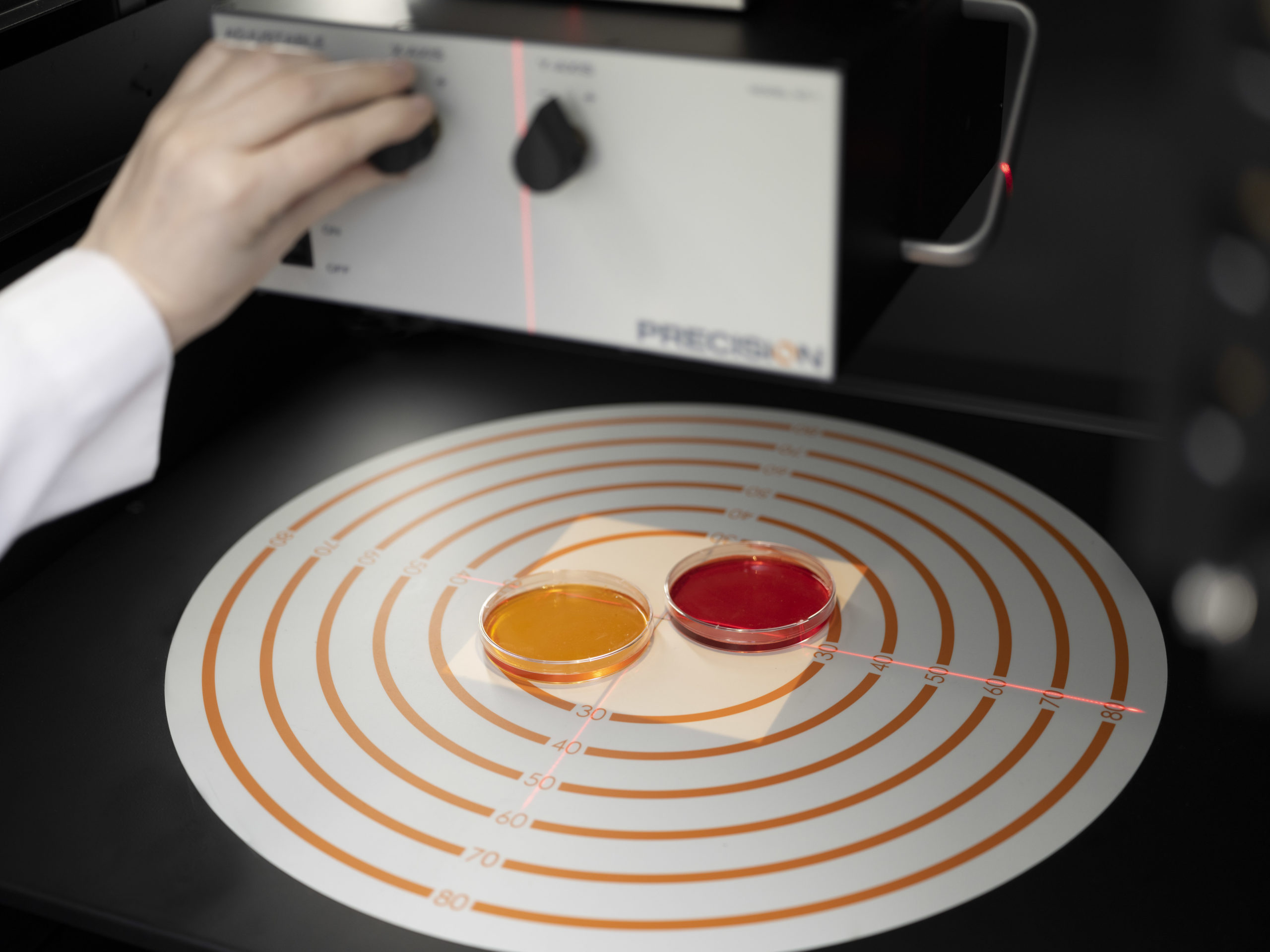
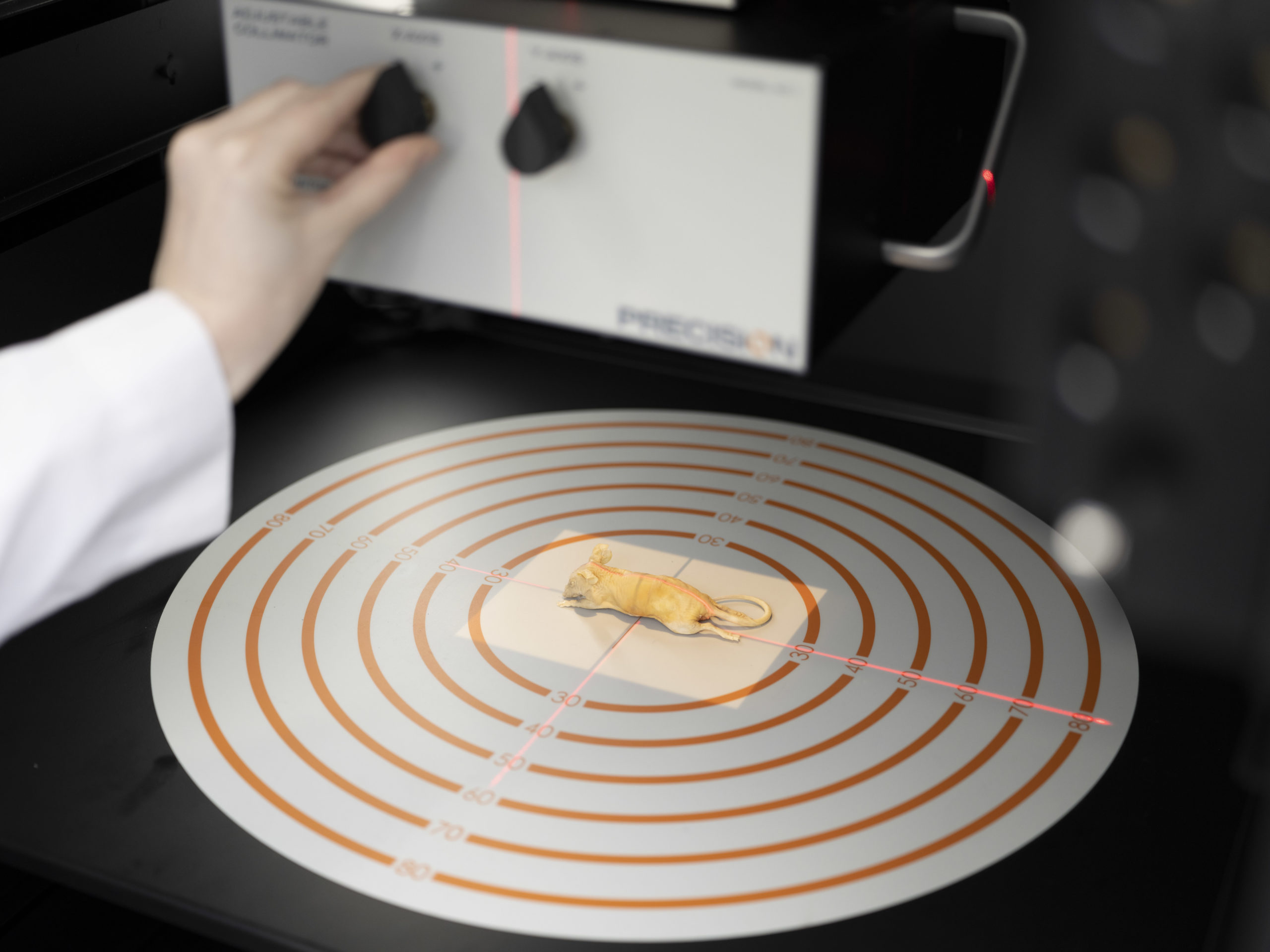
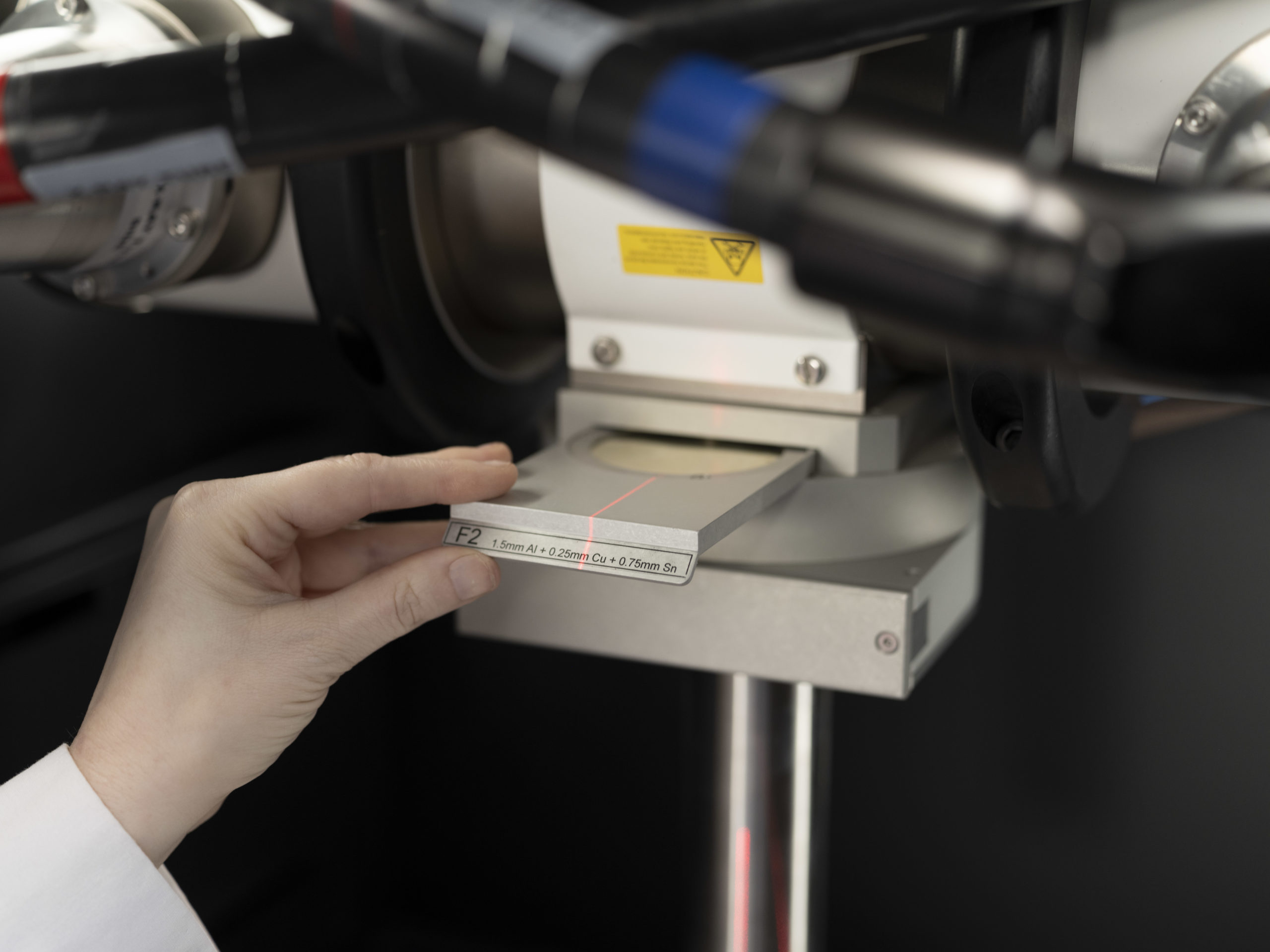
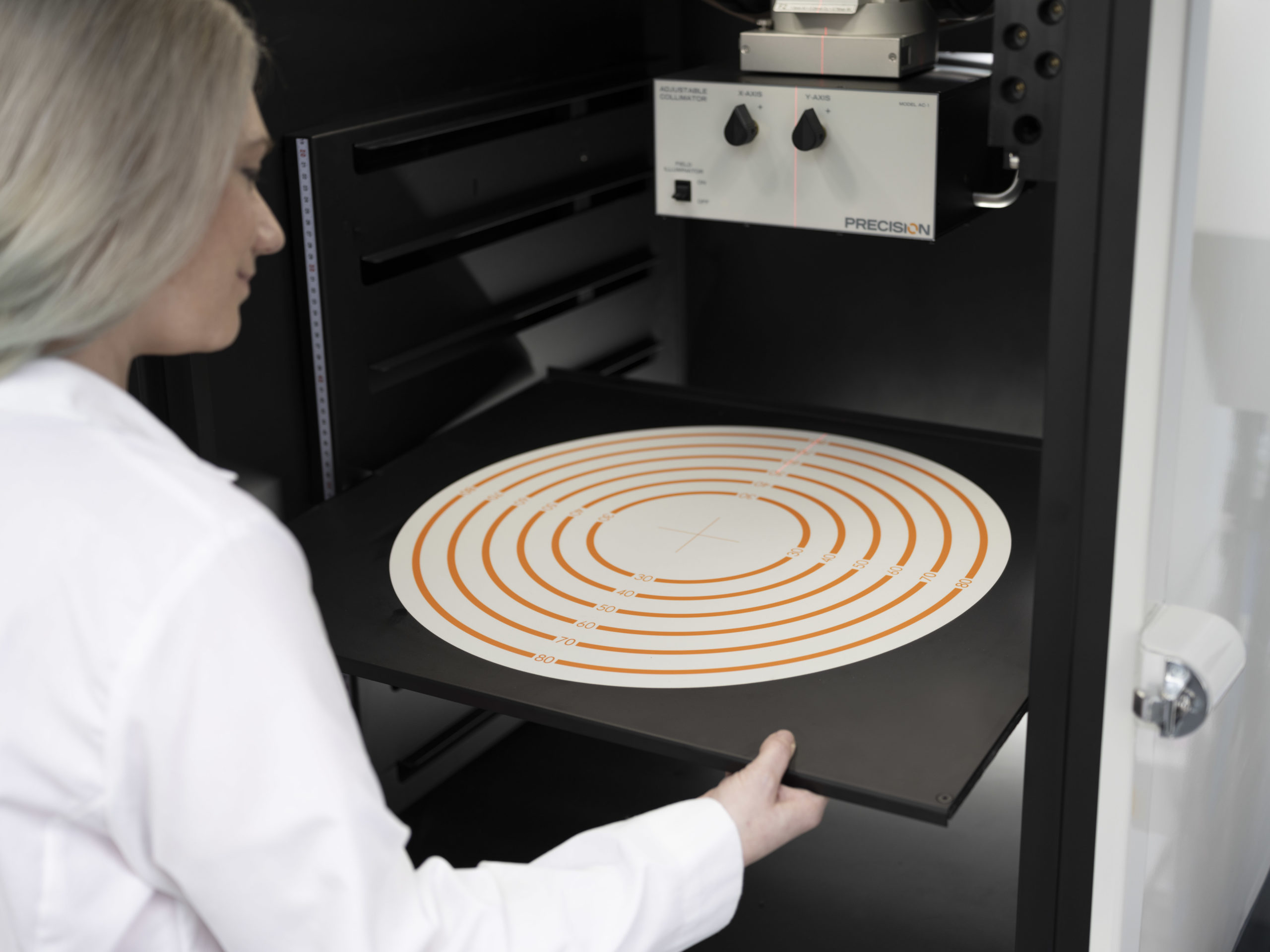
From cells to small animals, the X-Rad320 is a versatile x-ray irradiation system designed for translational research, delivering consistent and precise dose irradiation across a wide range of applications. The X-Rad320 supports both in vitro irradiation and small animal studies with reliable, uniform performance.
The integrated OptiMAX module enhances this image-guided radiation system, enabling seamless transitions between imaging modalities and accurate co-registration—streamlining workflows while maintaining a safe irradiation system with no radioactive source.
 Download Brochure
 Powered by Bioz
Options To Expand Your Research Potential
The X-Rad 320 + OptiMAX made our radiation experiments much easier, both in vitro and in vivo. It’s user-friendly and has been invaluable for our preclinical research.

PARP inhibitor radiosensitization enhances anti-PD-L1 immunotherapy through stabilizing chemokine mRNA in small cell lung cancer
read more ›
HSP90 inhibition suppresses tumor glycolytic flux to potentiate the therapeutic efficacy of radiotherapy for head and neck cancer
read more ›
Radiation upregulates macrophage TREM-1 expression to exacerbate injury in mice
read more ›
Comparison and calibration of dose delivered by 137Cs and X-ray irradiators in mice
read more ›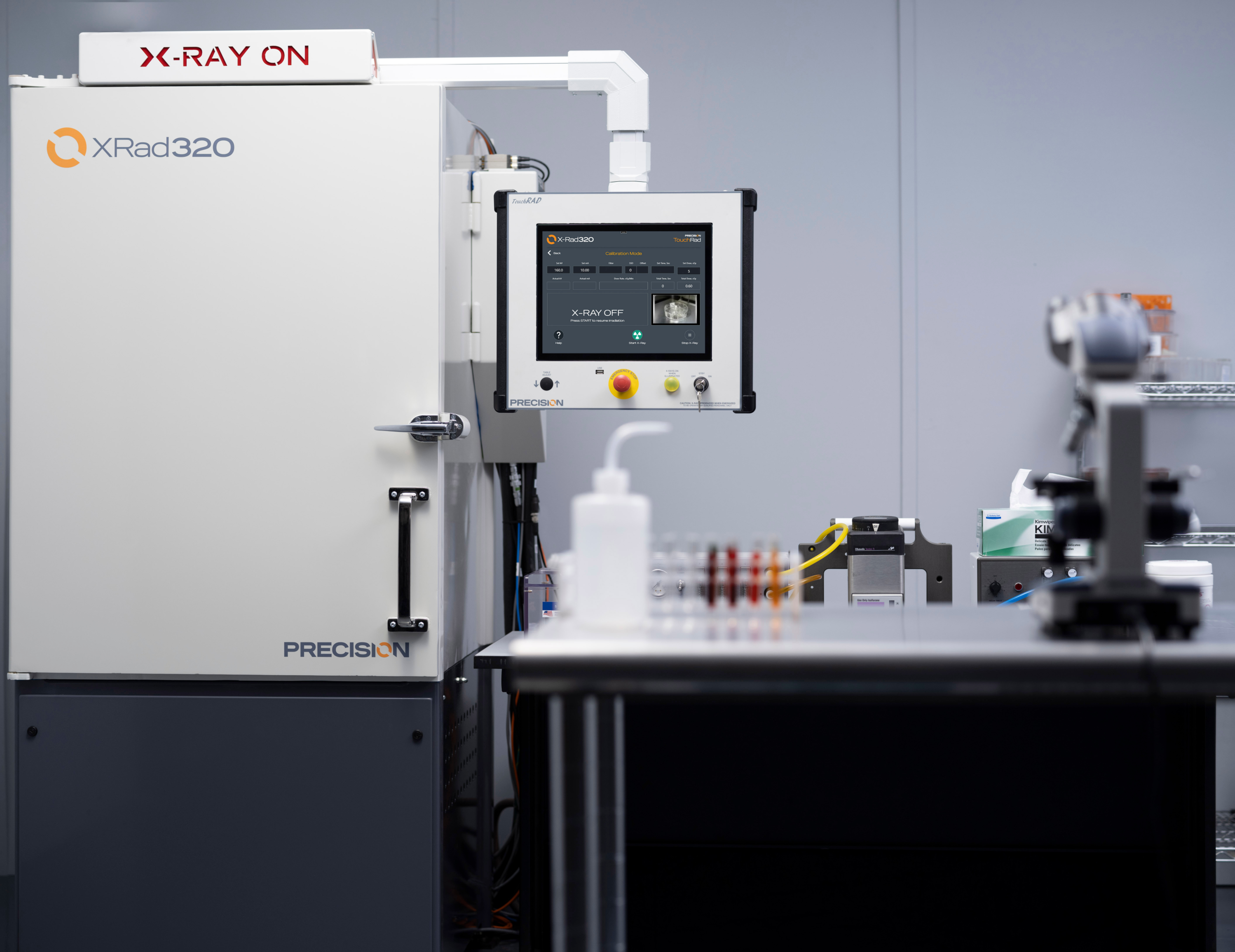


Want To Learn More?
CONTACT USFAQs
These systems are used for cell, tissue, and small-animal irradiation for preclinical basic science research and biological production applications, as well as for material and dosimetry testing across research and industrial applications.
The key difference between the X-RAD 320 and the 225 is beam energy: the 320 offers higher energy for deeper penetration and larger specimen volumes, while the 225 is optimized for smaller specimens. The X-RAD 320 can also ramp down kV, allowing it to fully replicate the 225’s capabilities when lower energy is needed.
In most U.S. states, cabinet X-ray systems are exempt from radioactive source licensing, but registration with the state radiation control agency may still be required.
X-Rad is the flagship fixed beam cabinet X-ray platform from Precision X-Ray, designed for cells to small animals, offering imaging options, high throughput, and customization flexibility.
Yes — X-Rad systems are compatible with the OptiMAX imaging module for multimodal imaging (X-ray + fluorescence/bioluminescence) and 2D image-guided irradiation.
